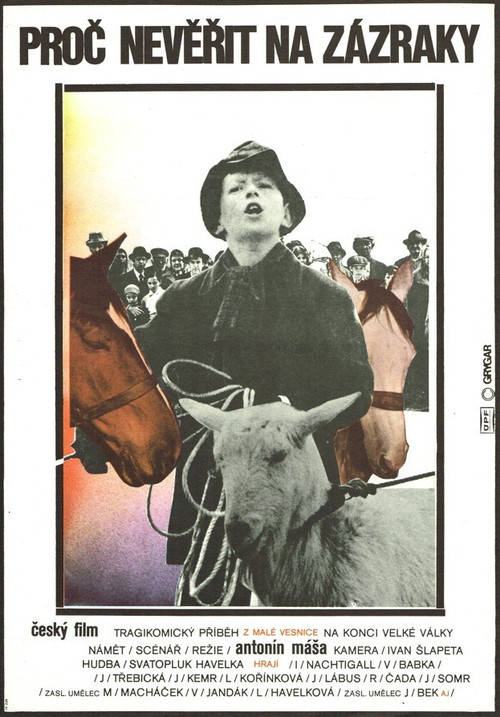
Proč nevěřit na zázraky 1978
Set against the lush landscapes of South Bohemia during the final days of World War II, *Proč nevěřit na zázraky (1978)* follows the harrowing coming-of-age journey of Milda, a twelve-year-old boy navigating a world turned upside down by the retreat of Nazi forces.
Director: Antonín Máša
Cast

Frequently Asked Questions
What is Proč nevěřit na zázraky (1978) about?
The film depicts a 12-year-old village boy named Milda navigating dangerous encounters with retreating Nazi troops in South Bohemia during WWII. Through his eyes, the story balances the harsh realities of war with moments of childlike wonder, culminating in a narrative that blends drama and dark humor.
Who directed Proč nevěřit na zázraky?
Proč nevěřit na zázraky was directed by Antonín Máša, a filmmaker known for exploring historical and social themes in Czechoslovak cinema.
Who stars in Proč nevěřit na zázraky?
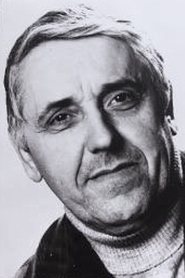
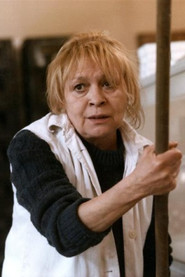
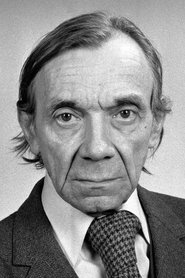
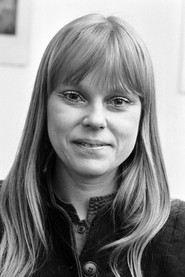
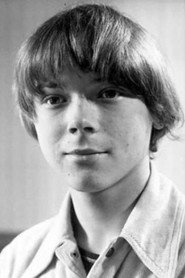
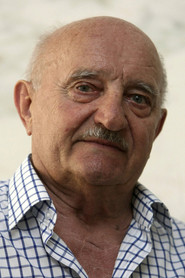
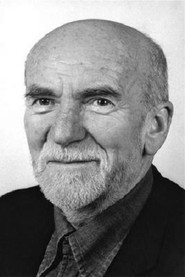
The film features Igor Nachtigal, Václav Babka, Jiřina Třebická, Josef Kemr, and Lenka Kořínková in pivotal roles.
Is Proč nevěřit na zázraky (1978) worth watching?
While the film's grandiose staging sometimes overshadows its wartime setting, its emotional core and historical perspective make it worth watching for fans of Czechoslovak dramas. Its uneven tone may divide viewers, but the performances and themes add depth to the experience.
How long is Proč nevěřit na zázraky?
Runtime details are not listed.
About Proč nevěřit na zázraky (1978) — War, childhood, and resilience in South Bohemia
Set against the lush landscapes of South Bohemia during the final days of World War II, *Proč nevěřit na zázraky (1978)* follows the harrowing coming-of-age journey of Milda, a twelve-year-old boy navigating a world turned upside down by the retreat of Nazi forces. Directed by Antonín Máša, this dramatic comedy captures the tension between childhood innocence and the brutal realities of war, blending poignant moments with a tone that's both playful and unsettling. The film's grandiose staging occasionally clashes with its wartime setting, creating an uneven but memorable reflection on resilience and the loss of naivety.
Antonín Máša's direction contrasts the idyllic rural backdrop with the chaos unfolding around its young protagonist, whose perspective turns ordinary encounters into moments of survival. With a cast led by Igor Nachtigal and Václav Babka, the film explores themes of courage and disillusionment, though its uneven execution may leave some viewers questioning whether it fully succeeds as either a drama or a comedy. Still, its historical context and emotional core make it a compelling watch for fans of Czechoslovak cinema.