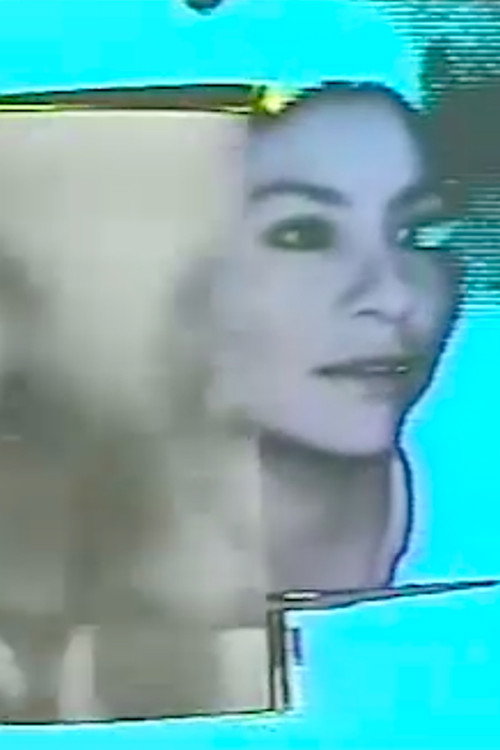
Rosa 1980
Delve into *Rosa (1980)*, a short yet profound documentary that captures a single moment in Oaxaca, Mexico.
Director: Hans Breder
Frequently Asked Questions
What is Rosa (1980) about?
*Rosa (1980)* is a short documentary that presents an interview with a Mexican squatter in Oaxaca, Mexico. The film uses Breder's concept of 'aesthetic ethnography' to explore the intersection of personal story and cultural context, turning an everyday conversation into a visually compelling study of human resilience.
Who directed Rosa?
Rosa was directed by Hans Breder, a filmmaker known for his experimental and conceptual approach to documentary filmmaking.
Who stars in Rosa?
The main cast includes an unidentified Mexican squatter from Oaxaca, Mexico, featured in the central interview.
Is Rosa (1980) worth watching?
Given its short runtime and experimental nature, *Rosa (1980)* may appeal to viewers interested in ethnography, art-house cinema, or unconventional storytelling. While it lacks a traditional narrative, its thematic depth and Breder's unique perspective make it a thought-provoking watch for those seeking something beyond the ordinary.
How long is Rosa?
Rosa has a runtime of 3 minutes.
About Rosa (1980) — A Glimpse into 'Aesthetic Ethnography' in 3 Minutes
Delve into *Rosa (1980)*, a short yet profound documentary that captures a single moment in Oaxaca, Mexico. Directed by Hans Breder, this 3-minute film features an interview with a Mexican squatter, offering a glimpse into everyday life through a lens that blends artistry with ethnography. Breder's approach, which he termed 'aesthetic ethnography,' transforms a simple conversation into a visual and emotional exploration of culture, history, and place. The film's minimalist style and intimate focus create an atmosphere of quiet reflection, inviting viewers to consider the stories behind the individuals often overlooked by society.
While brief, *Rosa (1980)* is a masterclass in how brevity can amplify meaning. Breder's methodology prioritizes aesthetic over rigid scientific analysis, weaving together personal narrative with broader themes of identity and resilience. The result is a work that feels both timeless and deeply rooted in its moment, a snapshot of human experience that lingers long after the credits roll.