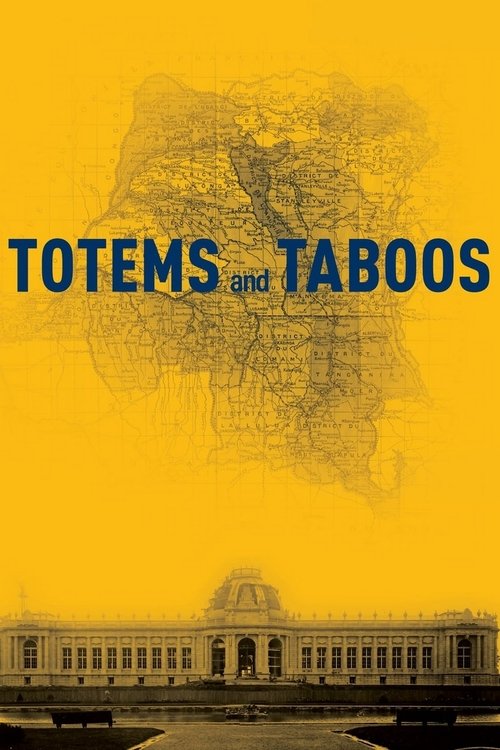
Totems and Taboos 2018
"Recalling Belgium's brutal colonial history"
Directed by Daniel Cattier, *Totems and Taboos (2018)* dives into Belgium's colonial legacy with unflinching honesty.
Director: Daniel Cattier
Frequently Asked Questions
What is *Totems and Taboos* (2018) about?
*Totems and Taboos* examines Belgium's painful colonial history, particularly the atrocities under King Leopold II's rule in the Congo. The film follows the Royal Museum of Central Africa's renovation, which aims to expose these crimes with brutal honesty and cultural sensitivity.
Who directed *Totems and Taboos*?
*Totems and Taboos* was directed by Daniel Cattier, a filmmaker known for tackling historical and social justice themes with clarity and depth.
Who stars in *Totems and Taboos*?
Director information and cast details are not listed in the available data.
Is *Totems and Taboos* (2018) worth watching?
As a 54-minute documentary rooted in historical truth and ethical urgency, *Totems and Taboos* offers a compelling perspective on colonialism's legacy. Its uncompromising approach makes it essential viewing for those interested in documentary films that challenge conventional narratives.
How long is *Totems and Taboos*?
*Totems and Taboos* runs for 54 minutes.
🎥 Trailer
About Totems and Taboos (2018) — Uncovering Belgium's Colonial Atrocities Through a Museum's Renovation
Directed by Daniel Cattier, *Totems and Taboos (2018)* dives into Belgium's colonial legacy with unflinching honesty. This 54-minute documentary unfolds at Brussels' iconic Royal Museum of Central Africa, where a transformative renovation confronts the brutal atrocities committed under King Leopold II's regime in the Congo. The film strips away sanitized narratives, exposing the lingering scars of exploitation, racism, and systemic oppression that still haunt African communities today. Through stark imagery and candid interviews, it challenges viewers to reckon with history's darkest chapters while highlighting the museum's ethical reckoning. Atmospherically intense yet thought-provoking, the documentary blends historical rigor with emotional urgency, making it a must-watch for those interested in colonialism's enduring impact.