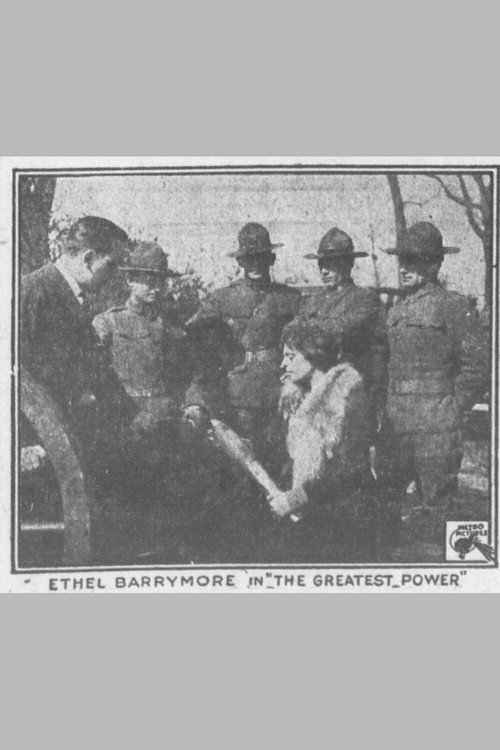
The Greatest Power 1917
In *The Greatest Power (1917)*, the early 20th century's scientific ambition collides with ethical dilemmas when two brilliant researchers, Miriam Monroe and John Conrad, independently uncover the same revolutionary substance—exonite.
Director: Edwin Carewe
Cast
Frequently Asked Questions
What is *The Greatest Power (1917)* about?
The film follows two scientists who independently discover a transformative chemical called exonite—one seeks a medical breakthrough while the other envisions a weapon of mass destruction. Their clashing priorities force them to confront the ethical weight of their work.
Who directed *The Greatest Power*?
Edwin Carewe is the director behind *The Greatest Power*, guiding the silent-era drama's exploration of scientific ambition and moral conflict.
Who stars in *The Greatest Power*?
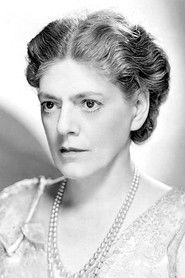
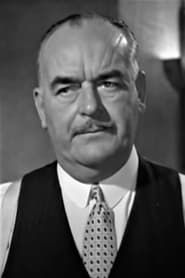
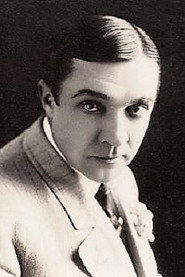
The film features Ethel Barrymore as Miriam Monroe, alongside William B. Davidson, Harry Northrup, Frank Currier, and Cecil Owen in pivotal roles.
Is *The Greatest Power (1917)* worth watching?
As a silent-era drama rooted in real historical anxieties about science, *The Greatest Power* offers a compelling snapshot of early cinematic storytelling. While not widely rated today, its themes of innovation and ethics remain relevant, making it a curiosity for silent film enthusiasts.
How long is *The Greatest Power*?
The Greatest Power runs for 50 minutes, a concise runtime typical of early 20th-century films.
About The Greatest Power (1917) — Silent-Era Drama of Science and Sacrifice
In *The Greatest Power (1917)*, the early 20th century's scientific ambition collides with ethical dilemmas when two brilliant researchers, Miriam Monroe and John Conrad, independently uncover the same revolutionary substance—exonite. Miriam's quest for a cancer cure leads her to a powerful discovery, while Conrad envisions it as an explosive of unprecedented might, setting their visions on a collision course. Directed by Edwin Carewe, this silent-era drama unfolds against a backdrop of scientific curiosity and moral conflict, where progress comes at a cost.
With Ethel Barrymore delivering a standout performance as Miriam, the film blends themes of innovation, sacrifice, and the double-edged nature of knowledge. The tension between hope and destruction simmers as the protagonists grapple with the implications of their findings, creating an atmospheric tale of discovery and consequence.