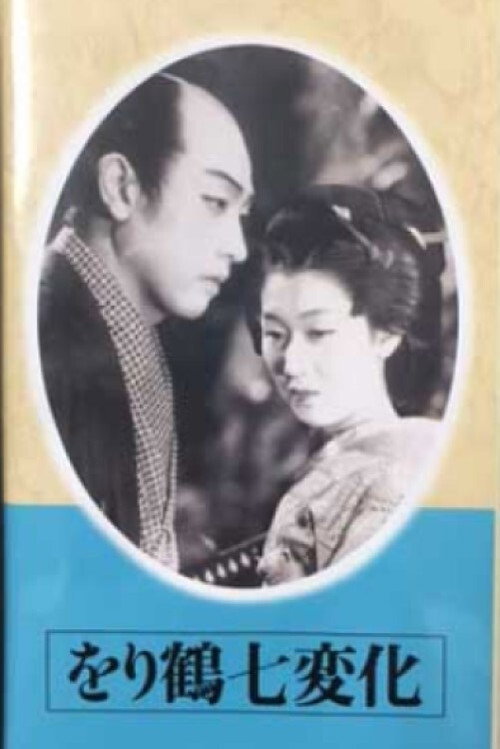
The Seven Changes of a Paper Crane (Part 2) 1941
Dive into the poignant drama *The Seven Changes of a Paper Crane (Part 2)* (1941), directed by Tamizo Ishida, as it continues the serial novel's exploration of transformation and resilience.
Director: Tamizo Ishida
Cast


Frequently Asked Questions
What is The Seven Changes of a Paper Crane (Part 2) (1941) about?
The film follows characters grappling with personal and societal transformations, framed through the metaphor of a paper crane's fleeting yet meaningful existence. Each change mirrors life's unpredictable shifts, revealing resilience in adversity and the subtle beauty of endurance.
Who directed The Seven Changes of a Paper Crane (Part 2)?
Tamizo Ishida directed this installment, though details about his broader body of work are limited. His direction crafts a meditative pace, letting the story's themes unfold with quiet intensity.
Who stars in The Seven Changes of a Paper Crane (Part 2)?
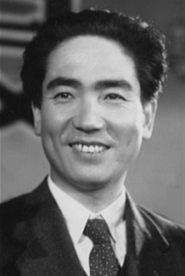
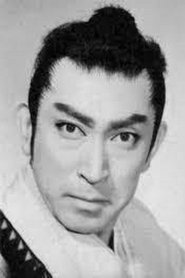
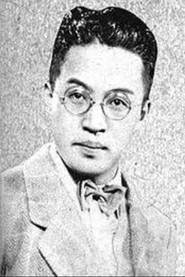
The film features Ihara Siro, Ryūnosuke Tsukigata, Kazuo Hasegawa, Yataro Kurokawa, and Denjirō Ōkōchi in key roles, alongside Sumi Nishikawa.
Is The Seven Changes of a Paper Crane (Part 2) (1941) worth watching?
As a short 54-minute drama rooted in classic Japanese storytelling, it offers a reflective experience for fans of historical narratives and character-driven cinema. While not widely celebrated today, its themes of change and resilience give it a timeless quality worth exploring.
How long is The Seven Changes of a Paper Crane (Part 2)?
The film runs for 54 minutes.
About The Seven Changes of a Paper Crane (Part 2) (1941) — A 1941 Japanese Drama on Change and Resilience
Dive into the poignant drama *The Seven Changes of a Paper Crane (Part 2)* (1941), directed by Tamizo Ishida, as it continues the serial novel's exploration of transformation and resilience. Set against the backdrop of a time when societal and personal upheavals shaped everyday lives, this 54-minute film weaves a tale of endurance through the metaphor of a delicate paper crane. Ihara Siro, Ryūnosuke Tsukigata, and Kazuo Hasegawa lead the cast, embodying characters navigating change with quiet strength and emotional depth. The atmosphere is one of introspection, where each twist in the story mirrors the relentless shifts in fate, leaving audiences to ponder the fragility and resilience of the human spirit.
Ishida's direction infuses the drama with a meditative pace, allowing the narrative's themes of adaptation and perseverance to unfold naturally. Like the paper crane's journey from creation to dissolution, the film's characters face their own metamorphoses, revealing the quiet heroism found in life's smallest yet most profound moments. Whether you're drawn to classic Japanese cinema or stories of quiet resilience, this installment offers a reflective experience that lingers long after the credits roll.