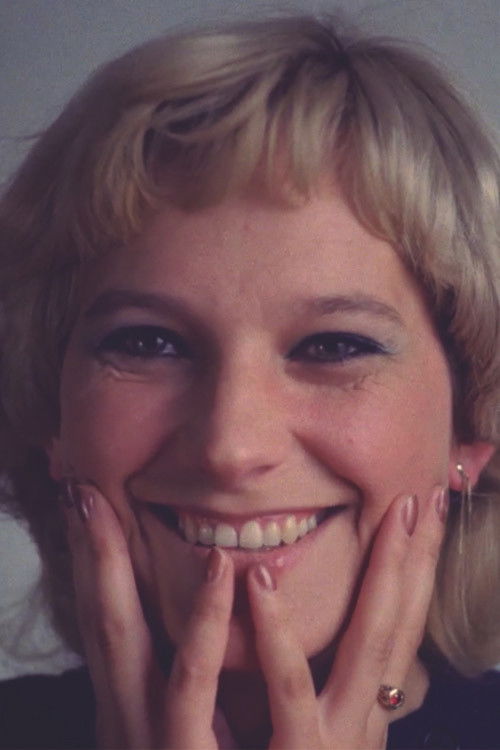
35 Photos 1985
Helke Misselwitz's poignant short documentary *35 Photos (1985)* offers an intimate glimpse into life in East Germany through the eyes of a woman born in 1949—the year the GDR was founded.
Director: Helke Misselwitz
Cast
Frequently Asked Questions
What is 35 Photos (1985) about?
This short documentary follows a woman born in 1949, the year East Germany was founded, as she reflects on her life using one family photo for each year. It's a deeply personal journey through memory, resilience, and the unspoken realities of life under state socialism.
Who directed 35 Photos?
The film was directed by Helke Misselwitz, a filmmaker known for her insightful documentaries exploring East German society and personal narratives.
Who stars in 35 Photos?
The documentary centers on Karin R., whose reflections and family photographs anchor the film.
Is 35 Photos (1985) worth watching?
Though unrated and short, *35 Photos* offers a rare, intimate perspective on life in the GDR. Its themes of memory and resistance make it compelling for fans of historical documentaries, even if its initial censorship limited its reach.
How long is 35 Photos?
The runtime is approximately 7 minutes, making it a concise but impactful viewing experience.
About 35 Photos (1985) — A Photographic Memoir of Life in the GDR
Helke Misselwitz's poignant short documentary *35 Photos (1985)* offers an intimate glimpse into life in East Germany through the eyes of a woman born in 1949—the year the GDR was founded. Using 35 personal photographs from her family album, each image becomes a window into a year of her life, crafting a deeply personal narrative that doubles as a subtle critique of everyday existence under state socialism. The film's quiet power lies in its refusal to glorify or condemn, instead presenting the complexities of an atypical woman navigating a rigid system.
Captured in just seven minutes, *35 Photos* brims with quiet intensity, blending nostalgia with quiet defiance. Misselwitz's direction focuses on authenticity, letting the subject's unfiltered reflections speak volumes about resilience, memory, and the spaces between official history and private truth. Though initially banned by officials for its perceived negativity, the film's delayed release only amplified its cultural resonance as a rare, human-scale portrait of life in the GDR.