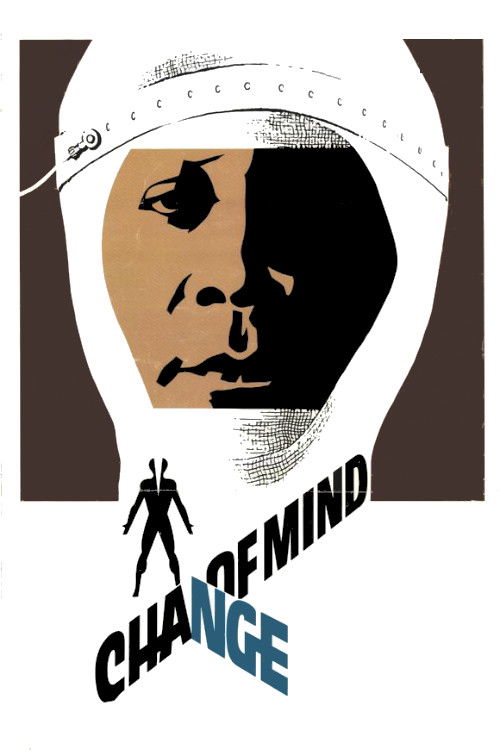
Change of Mind 1969
"Black body--White Brain!"
Dive into the provocative world of *Change of Mind (1969)*, a daring drama-sci-fi hybrid directed by Robert Stevens.
Director: Robert Stevens
Cast






Frequently Asked Questions
What is Change of Mind (1969) about?
*Change of Mind* follows a groundbreaking medical experiment where a white man's brain is transplanted into a Black man's body. The story delves into the ethical and emotional turmoil that ensues as the protagonist grapples with his new identity and the societal prejudices surrounding him.
Who directed Change of Mind?
The film was directed by Robert Stevens, known for his work in television and film during the mid-20th century.
Who stars in Change of Mind?
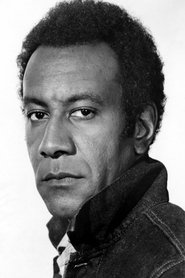
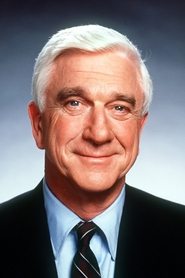
The film features Raymond St. Jacques, Susan Oliver, Janet MacLachlan, Leslie Nielsen, and Donnelly Rhodes in pivotal roles.
Is Change of Mind (1969) worth watching?
While *Change of Mind* is a cult curiosity rather than a mainstream classic, its bold themes and unique premise make it a compelling watch for fans of 1960s sci-fi and drama. Its historical context and provocative storytelling add layers of depth worth exploring.
How long is Change of Mind?
Change of Mind has a runtime of 98 minutes.
About Change of Mind (1969) — A Groundbreaking Sci-Fi Drama on Identity and Race
Dive into the provocative world of *Change of Mind (1969)*, a daring drama-sci-fi hybrid directed by Robert Stevens. This thought-provoking film explores the boundaries of identity, race, and humanity through the shocking premise of a white man's brain being transplanted into a Black man's body. Raymond St. Jacques leads the stellar cast, supported by Susan Oliver, Janet MacLachlan, and Leslie Nielsen, crafting an atmosphere thick with tension and moral ambiguity. The movie doesn't shy away from its controversial core, blending cerebral themes with a gripping narrative that challenges societal norms.
Set against the backdrop of late 1960s social unrest, *Change of Mind (1969)* weaves a story that's as relevant today as it was then. The film's black-and-white aesthetic amplifies its stark themes, making every frame a conversation starter. With its blend of science fiction and drama, it's a cinematic experience that lingers long after the credits roll, raising questions about prejudice, science, and what truly defines us as individuals.