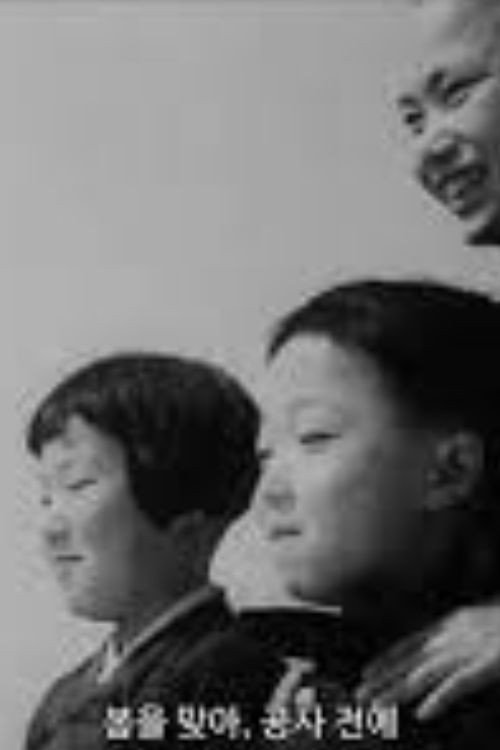
Ondol 1941
Step back into 1941 with Ondol (1941), a fascinating short documentary produced by the Japanese Government-General of Joseon.
Frequently Asked Questions
What is Ondol (1941) about?
Ondol (1941) is a short documentary that explores Korea's traditional ondol heating system, showing how it worked and why it mattered in daily life. The film also captures winter customs, including games played by children and the tools used in heated homes.
Who directed Ondol?
Director information is not available.
Who stars in Ondol?
This documentary does not feature traditional movie stars; it focuses on real-life scenes involving Korean families and craftspeople.
Is Ondol (1941) worth watching?
As a historical documentary, Ondol (1941) offers a short but unique look at early 20th-century Korean culture and technology. While not a modern drama, its archival value makes it worth a watch for history and architecture enthusiasts, especially those interested in East Asian traditions.
How long is Ondol?
Ondol runs for 11 minutes.
About Ondol (1941) — A Short Documentary on Korea's Ancient Floor Heating System
Step back into 1941 with Ondol (1941), a fascinating short documentary produced by the Japanese Government-General of Joseon. Rather than dramatized storytelling, this eleven-minute film offers a rare glimpse into Korea's traditional ondol heating system and the rhythms of winter life it supported. Through concise visuals, the documentary explains the mechanics behind the sub-floor heating, demonstrates how families adapted their daily routines to stay warm, and captures children playing in the snow—all while showcasing unique cultural details like gourd dippers that fascinated Japanese audiences at the time. The crisp, almost clinical tone reflects its educational purpose, yet the warmth of hearth and home lingers on every frame.
Ondol (1941) isn't a narrative feature but a historical artifact that preserves Korean winter traditions long before modern heating changed daily life forever. Its straightforward presentation invites viewers to appreciate the ingenuity of ondol and the quiet resilience of people living through cold seasons. Though brief, it carries the weight of cultural exchange and technological curiosity between two neighboring cultures during a complex historical moment.