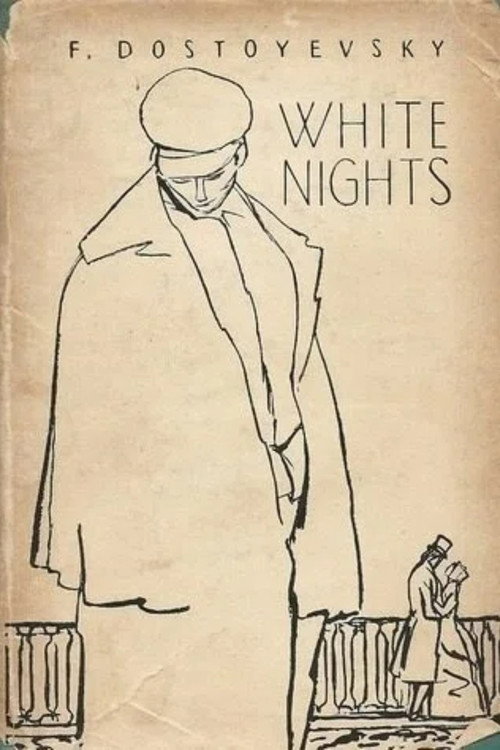
White Nights 1958
Step into the shadowy streets of 19th-century St. Petersburg with *White Nights (1958)*, a haunting adaptation of Fyodor Dostoevsky's timeless short story.
Director: Merab Jaliashvili
Frequently Asked Questions
What is White Nights (1958) about?
*White Nights (1958)* follows a solitary dreamer in St. Petersburg who forms a brief but profound bond with a woman trapped in a loveless engagement. Their encounter becomes a fleeting oasis of warmth in otherwise cold, lonely lives, exploring themes of connection and the pain of impermanence.
Who directed White Nights?
The film was directed by Merab Jaliashvili, a filmmaker known for his evocative storytelling and atmospheric visuals.
Who stars in White Nights?
Exact casting details are unavailable, but the film stars the lead actors embodying the roles of the dreamer and the woman at the center of the story.
Is White Nights (1958) worth watching?
While *White Nights (1958)* may not be as widely known as other adaptations, its poignant themes and melancholic beauty make it a rewarding experience for fans of literary dramas. Its quiet intensity and emotional depth appeal to those seeking substance over spectacle.
How long is White Nights?
Runtime details are not listed.
About White Nights (1958) — Dostoevsky's haunting adaptation brought to life on screen
Step into the shadowy streets of 19th-century St. Petersburg with *White Nights (1958)*, a haunting adaptation of Fyodor Dostoevsky's timeless short story. Directed by Merab Jaliashvili, this atmospheric drama weaves a tale of fleeting romance and melancholic longing against a backdrop of snowy nights and cobblestone alleys. The protagonist, a lonely dreamer wandering the city, crosses paths with a woman entangled in a tragic love triangle, their brief encounter leaving an indelible mark on both souls. Jaliashvili's direction infuses the narrative with a dreamlike quality, capturing the essence of Dostoevsky's exploration of isolation, hope, and the bittersweet nature of human connections.
As the story unfolds, the stark contrast between reality and illusion blurs, mirroring the protagonist's inner turmoil and the ephemeral nature of their newfound friendship. The film's moody cinematography and evocative score heighten the emotional resonance, making *White Nights (1958)* a poignant meditation on the fragility of fleeting moments. Whether you're drawn to literary adaptations or the quiet intensity of character-driven dramas, this cinematic gem offers a captivating escape into the complexities of the human heart.