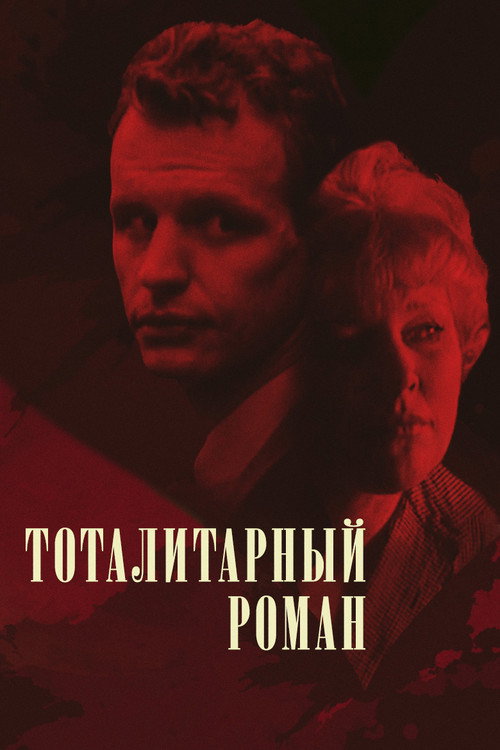
The Totalitarian Novel 1998
Set against the backdrop of the Soviet Union in the autumn of 1968, *The Totalitarian Novel (1998)* by Vyacheslav Sorokin weaves a tale of longing and constraint in a society where even the simplest pleasures—like watching a film—are tightly controlled.
Director: Vyacheslav Sorokin
Cast

Frequently Asked Questions
What is *The Totalitarian Novel* (1998) about?
This Soviet-era drama follows Nadia, a methodologist in 1968, as she confronts the absurdity of a society that restricts even small joys like going to the cinema. When tickets become nearly unattainable, her quest to see a film becomes a subtle act of defiance against a system built on control.
Who directed *The Totalitarian Novel*?
The film was directed by Vyacheslav Sorokin, a filmmaker known for his incisive explorations of life under authoritarian regimes.
Who stars in *The Totalitarian Novel*?
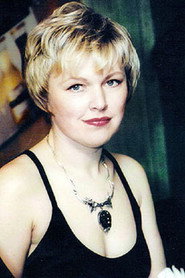
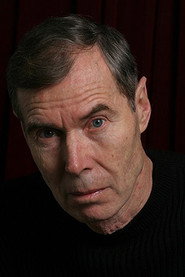
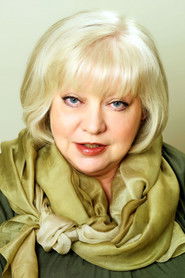
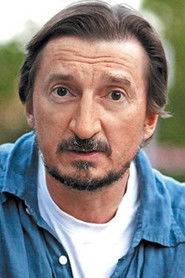
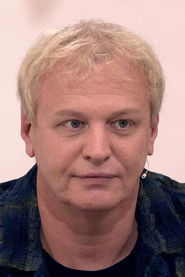
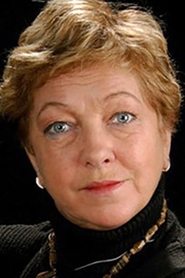
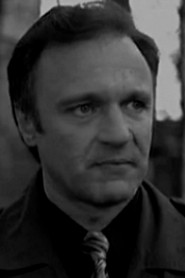
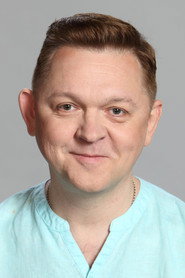
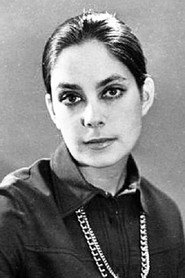
The cast includes Galina Bokashevskaya as Nadia, alongside Anatoliy Khudoleev, Svetlana Kryuchkova, Aleksandr Lykov, Sergey Yushkevich, and Olga Volkova in key roles.
Is *The Totalitarian Novel* (1998) worth watching?
While the film's unrated status leaves room for interpretation, its stark portrayal of societal pressure and quiet resistance makes it a compelling watch for fans of period dramas and thought-provoking cinema. Its restrained style may not appeal to everyone, but it rewards viewers with its layered storytelling.
How long is *The Totalitarian Novel*?
The runtime of *The Totalitarian Novel* is 120 minutes.
About The Totalitarian Novel (1998) — A Cold-War Romance About Control and Desire
Set against the backdrop of the Soviet Union in the autumn of 1968, *The Totalitarian Novel (1998)* by Vyacheslav Sorokin weaves a tale of longing and constraint in a society where even the simplest pleasures—like watching a film—are tightly controlled. The story follows Nadia, a disciplined methodologist at her city's House of Culture, as she navigates the rigid expectations of her world. When she and her friend Sasha arrive at the cinema for the premiere of *Three Poplars on Ivy*, they're confronted with a surreal and bureaucratic reality: tickets are unavailable, and the only way to enter is through backroom deals and favors. Sorokin's sharp social commentary shines as he explores themes of free will, conformity, and the quiet rebellions that emerge in oppressive systems. With its atmospheric tension and understated critique, this romance-drama lingers like the chill of the season it's set in.
Nadia's journey becomes a metaphor for the collective experience of a generation trapped between personal desires and systemic constraints. The film's black-and-white cinematography and deliberate pacing amplify the sense of claustrophobia, turning a seemingly mundane outing into a microcosm of larger societal struggles. Sorokin, known for his nuanced storytelling, crafts a narrative that feels both timeless and deeply rooted in the era it depicts. For fans of introspective dramas that challenge the status quo, *The Totalitarian Novel* offers a compelling, if melancholic, reflection on what it means to seek joy under the weight of ideology.