Picking Up the Pieces 1978
Directed by Ken Kobland, *Picking Up the Pieces (1978)* is a concise, experimental short film that captures a fleeting moment within a dimly lit tenement hallway.
Director: Ken Kobland
Frequently Asked Questions
What is Picking Up the Pieces (1978) about?
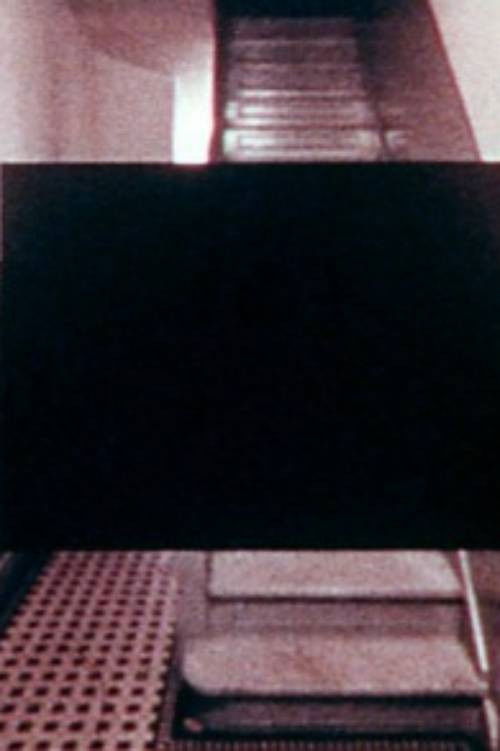
This experimental short film uses seventeen freeze-frame images to explore a single moment in a tenement hallway, transforming ordinary space into a poetic reflection on time and urban life. The absence of motion creates a dreamlike quality, challenging viewers to read deeper into the stillness.
Who directed Picking Up the Pieces?
The film was directed by Ken Kobland, an emerging figure in experimental cinema whose work often blends minimalism with emotional resonance.
Who stars in Picking Up the Pieces?
Cast details for *Picking Up the Pieces (1978)* are not publicly listed.
Is Picking Up the Pieces (1978) worth watching?
Though obscure, *Picking Up the Pieces* stands out for its innovative approach to storytelling within a tight 9-minute runtime. Its atmospheric visuals and thematic depth make it a hidden gem for fans of experimental film, offering a brief but thought-provoking experience.
How long is Picking Up the Pieces?
The film runs for 9 minutes.
Picking Up the Pieces (1978): Ken Kobland's 9-Minute Urban Haiku
Directed by Ken Kobland, *Picking Up the Pieces (1978)* is a concise, experimental short film that captures a fleeting moment within a dimly lit tenement hallway. Using seventeen carefully composed freeze frames, the 9-minute piece transforms everyday urban architecture into a visual meditation on memory and transience. The stark black-and-white imagery evokes the gritty realism of 1970s New York, while the fragmented narrative invites viewers to piece together their own interpretations of the scene. Though minimalist, the film creates a haunting atmosphere that lingers long after the final frame fades out.
As an exercise in cinematic restraint, *Picking Up the Pieces* showcases the power of stillness in storytelling, turning a mundane setting into something quietly profound. The absence of dialogue or motion emphasizes the raw textures of time and decay, making it a compelling watch for fans of avant-garde and art-house cinema. Though brief, its impact lingers like a snapshot frozen in time.