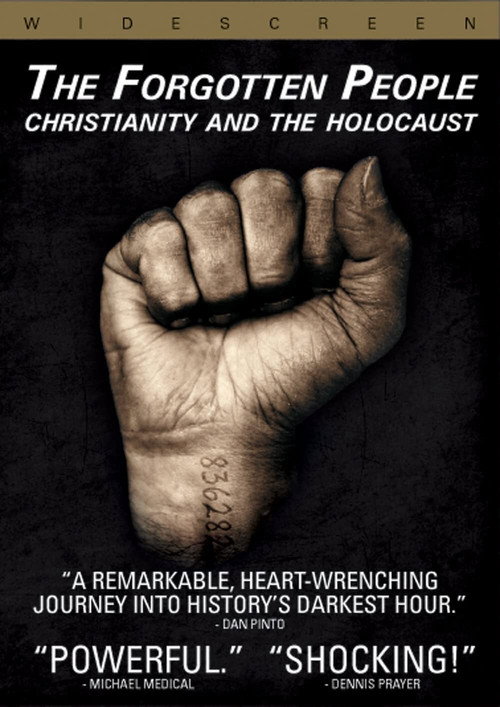
The Forgotten People: Christianity and the Holocaust 2009
Directed by Stan Moore, *The Forgotten People: Christianity and the Holocaust (2009)* examines a stark chapter in history when Christian communities largely stood by as six million Jews perished in the Holocaust.
Director: Stan Moore
Frequently Asked Questions
What is *The Forgotten People: Christianity and the Holocaust (2009)* about?
This documentary explores the largely overlooked response—or lack thereof—from Christian communities during the Holocaust. It examines how silence and inaction enabled widespread atrocities and urges viewers to reflect on parallels with modern-day anti-Semitism.
Who directed *The Forgotten People: Christianity and the Holocaust*?
The film was directed by Stan Moore, a filmmaker focused on historical and social justice topics.
Who stars in *The Forgotten People: Christianity and the Holocaust*?
Cast information for this documentary is not publicly listed.
Is *The Forgotten People: Christianity and the Holocaust (2009)* worth watching?
While it's a sobering watch, the film serves as an important historical and social document. Its concise runtime and thoughtful approach make it valuable for those interested in Holocaust education and ethical reflection.
How long is *The Forgotten People: Christianity and the Holocaust*?
The documentary runs for 68 minutes.
🎥 Trailer
About The Forgotten People: Christianity and the Holocaust (2009) — A gripping documentary on silence, faith, and the Holocaust
Directed by Stan Moore, *The Forgotten People: Christianity and the Holocaust (2009)* examines a stark chapter in history when Christian communities largely stood by as six million Jews perished in the Holocaust. The documentary doesn't just recount facts—it probes the uncomfortable silence of faith leaders and ordinary people in the face of unimaginable atrocities. Through archival footage and thoughtful reflection, Moore crafts a haunting atmosphere that lingers long after the credits roll, urging viewers to confront uncomfortable questions about complicity and moral courage in times of crisis.
This 68-minute documentary blends historical gravity with a current warning, drawing parallels between past indifference and rising anti-Semitism today. Moore's approach is sober and observational, avoiding sensationalism while creating a tone of urgent reflection. For anyone seeking to understand the role of faith communities during one of history's darkest periods—and why their silence still echoes today—this film offers both insight and introspection.