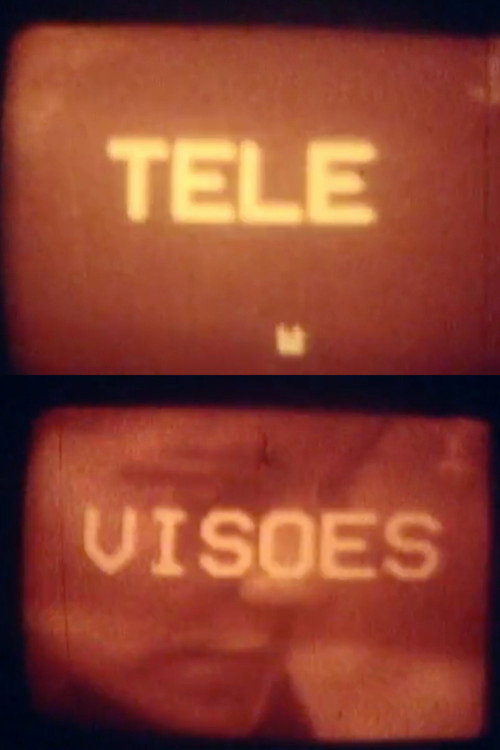
Tele-visões 1986
Dive into the fascinating world of *Tele-visões (1986)*, a short documentary directed by Elisa Cabral that explores the cultural impact of television on workers at the Santana Mill.
Director: Elisa Cabral
Frequently Asked Questions
What is Tele-visões (1986) about?
*Tele-visões* follows workers at the Santana Mill as they share their thoughts on television, revealing how media shapes their lives. The film highlights their fascination with appearing on screen and intersperses their testimonies with clips from popular Brazilian shows of the era, including telenovelas and news programs.
Who directed Tele-visões?
Tele-visões was directed by Elisa Cabral, who captures the intersection of media and everyday life in 1980s Brazil.
Who stars in Tele-visões?
The film features workers from the Santana Mill, whose testimonies and experiences are the heart of the documentary.
Is Tele-visões (1986) worth watching?
*Tele-visões* offers a unique glimpse into 1980s Brazilian television culture and the personal stories behind it. While its runtime is brief, its themes of media influence and representation make it a compelling watch for enthusiasts of documentary filmmaking.
How long is Tele-visões?
Tele-visões runs for 23 minutes.
About Tele-visões (1986) — A 1980s Brazilian documentary on TV's cultural power
Dive into the fascinating world of *Tele-visões (1986)*, a short documentary directed by Elisa Cabral that explores the cultural impact of television on workers at the Santana Mill. Through raw testimonies, the film captures how television shapes perceptions of reality, identity, and society. The documentary weaves together personal stories with iconic Brazilian TV moments, from telenovelas and news broadcasts to American series, creating a vivid snapshot of 1980s media influence. The setting—where a worker's tractor battery powers a TV—adds a playful yet poignant layer to the narrative, blending humor with deeper reflections on media consumption and representation.
Elisa Cabral's lens focuses on the workers' emotional and intellectual engagement with television, from the thrill of seeing oneself on screen to the cultural narratives shaping their lives. The film's structure, alternating between testimonies and clips of *Selva de Pedra*, *Jornal Nacional*, and *Fantástico*, immerses viewers in a bygone era of Brazilian broadcasting. *Tele-visões* isn't just a documentary; it's a time capsule of media's role in shaping collective memory and individual dreams.