Definitely Later 1969
Definitely Later (1969) is a haunting seven-minute animated short from Polish director Ryszard Kuziemski that transforms harrowing Holocaust imagery into a stark, abstract meditation on memory and loss.
Director: Ryszard Kuziemski
Frequently Asked Questions
What is Definitely Later (1969) about?
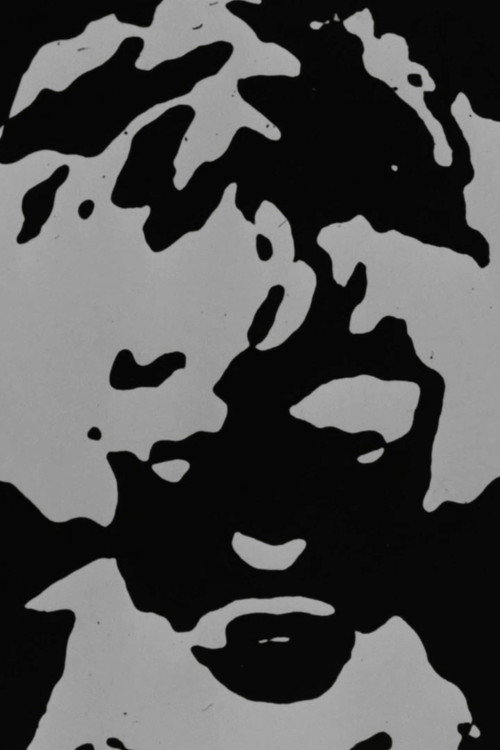
This experimental animated short confronts the Holocaust through fragmented, abstract imagery derived from real-life photographs. Director Ryszard Kuziemski uses plastic deformation to turn graphic evidence of Auschwitz-Birkenau's horrors into haunting visual stains, all while hinting at a fragile hope for a world without such atrocities.
Who directed Definitely Later?
Definitely Later was directed by Ryszard Kuziemski, a Polish filmmaker known for his avant-garde approach to animation and historical memory.
Who stars in Definitely Later?
Cast information for Definitely Later (1969) is not listed in available records.
Is Definitely Later (1969) worth watching?
Though unrated on IMDb, Definitely Later stands out as a powerful, if challenging, piece of animated art. Its brief runtime and abstract style make it a unique entry in Holocaust cinema—ideal for those interested in experimental films that merge history with visceral emotion.
How long is Definitely Later?
Definitely Later (1969) has a runtime of 7 minutes.
About Definitely Later (1969) — A 7-Minute Animated Masterpiece on Holocaust Memory
Definitely Later (1969) is a haunting seven-minute animated short from Polish director Ryszard Kuziemski that transforms harrowing Holocaust imagery into a stark, abstract meditation on memory and loss. Using graphic afterimages of Auschwitz-Birkenau's architecture, skeletal remains, and the hollow faces of survivors, Kuziemski strips away realism to evoke the raw emotion behind historical atrocities. The film's title, etched into the opening inscription as a grim prophecy—'Definitely later there will be no camps, no states, no more self-destruction'—frames its urgent plea for humanity's reckoning. Through plastic deformation techniques, the graphic images morph into abstract stains, leaving viewers to grapple with the weight of history in a visually jarring yet deeply introspective experience.
This experimental animation doesn't just document; it distills trauma into fleeting, unforgettable impressions. The absence of dialogue or traditional narrative forces an intimate confrontation with the past, blending artistry with activism in a way that lingers long after the seven-minute runtime. Definitely Later (1969) challenges its audience to confront the silence of history and the fragile hope for a future where such horrors remain unthinkable.