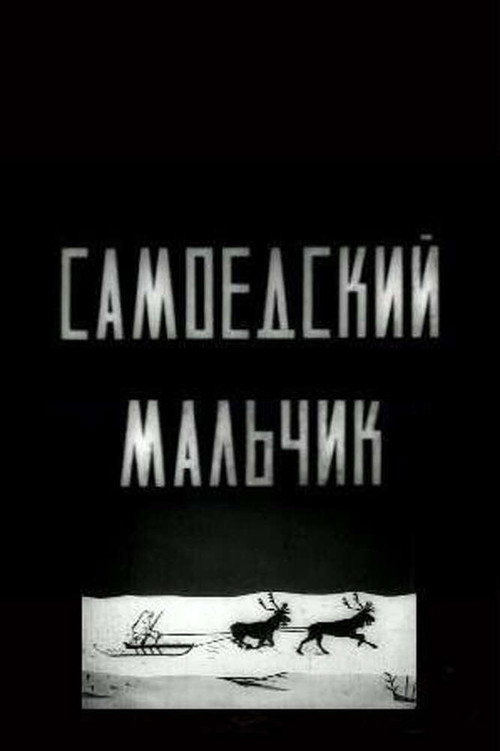
Samoyed Boy 1928
Step back to the silent film era with *Samoyed Boy* (1928), a rare gem of early Soviet animation directed by the pioneering Zinaida Brumberg.
Director: Zinaida Brumberg
Frequently Asked Questions
What is *Samoyed Boy* (1928) about?
This animated short tells the story of a young Nenets boy who leaves his Arctic homeland for Moscow, where he gains an education before returning home as a changed man. The film explores his struggle to reconcile his newfound knowledge with the traditions of his people.
Who directed *Samoyed Boy*?
The film was directed by Zinaida Brumberg, a trailblazing figure in early Soviet animation whose work helped shape the medium in Russia.
Who stars in *Samoyed Boy*?
Cast details for *Samoyed Boy* (1928) are not listed, reflecting the limited documentation of early animated films.
Is *Samoyed Boy* (1928) worth watching?
As a historical and artistic piece, *Samoyed Boy* offers a unique glimpse into early Soviet animation and Indigenous representation. While its brevity and silent-era style may not appeal to all modern viewers, its cultural significance makes it a rewarding watch for enthusiasts of film history.
How long is *Samoyed Boy*?
*Samoyed Boy* runs for 9 minutes.
About Samoyed Boy (1928) — A Silent-Era Animation Classic Exploring Identity and Homecoming
Step back to the silent film era with *Samoyed Boy* (1928), a rare gem of early Soviet animation directed by the pioneering Zinaida Brumberg. This nine-minute short follows a young Nenets boy who journeys from the bustling streets of Moscow back to his ancestral homeland, transformed by education yet bound by tradition. The story weaves themes of cultural identity, belonging, and the clash between modernity and heritage, all rendered in the expressive, handcrafted style of 1920s animation. The crisp Arctic atmosphere contrasts with the bustle of city life, creating a visually poetic narrative that still resonates today.
As one of the first animated works to center an Indigenous protagonist, *Samoyed Boy* stands out for its historical significance and heartfelt storytelling. Though modest in length, Brumberg's direction infuses the film with warmth and authenticity, offering a window into a world rarely seen in early cinema. Perfect for fans of silent-era animation and cultural storytelling, this short film remains a fascinating artifact of its time.