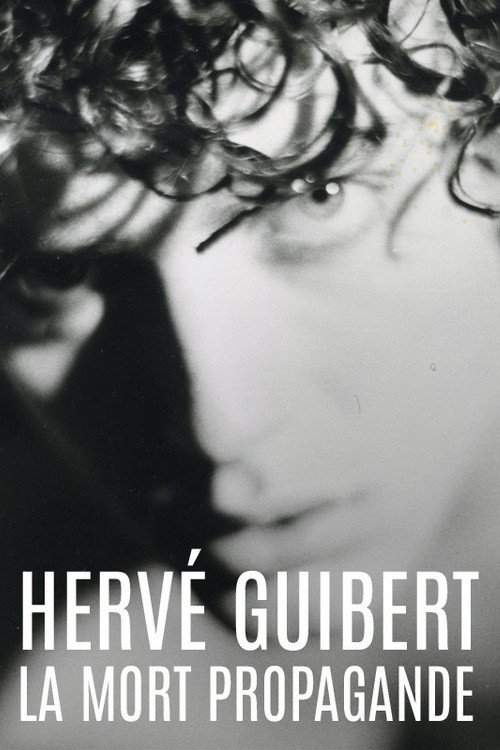
Hervé Guibert, la mort propagande 2021
Dive into Hervé Guibert, la mort propagande (2021), David Teboul's haunting documentary that explores the final chapters of French writer and photographer Hervé Guibert's life.
Director: David Teboul
Cast
Frequently Asked Questions
What is Hervé Guibert, la mort propagande (2021) about?
This documentary traces the final years of Hervé Guibert, a celebrated French writer and photographer, as he confronts his HIV-positive diagnosis and the progression of AIDS. Through his own words and images, the film captures his struggle with illness and the artistic legacy he left behind before his death in 1991.
Who directed Hervé Guibert, la mort propagande?
David Teboul directed this poignant documentary, bringing a sensitive and introspective lens to Guibert's final chapters.
Who stars in Hervé Guibert, la mort propagande?
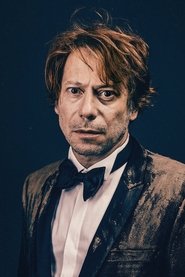
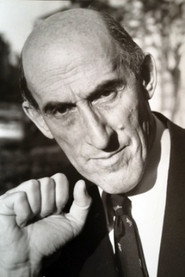
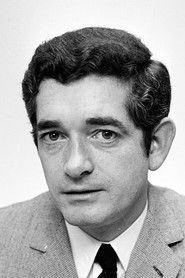
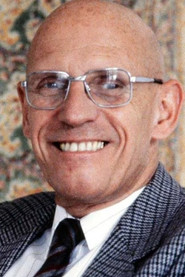
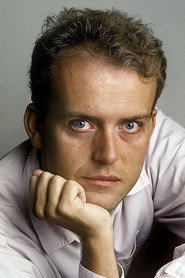
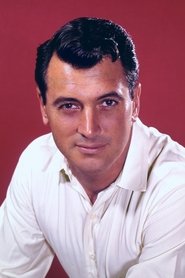
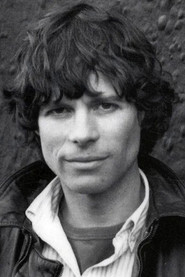
The film features Mathieu Amalric as the narrator, along with Dieter Appelt, Jean-Paul Aron, and Jacques Demy among its cast.
Is Hervé Guibert, la mort propagande (2021) worth watching?
While unrated on IMDb, this documentary offers a profound and emotionally resonant exploration of Guibert's life and work. Its intimate portrayal of mortality and artistry makes it a compelling watch for fans of biographical films and literary documentaries.
How long is Hervé Guibert, la mort propagande?
The runtime of Hervé Guibert, la mort propagande is 65 minutes.
About Hervé Guibert, la mort propagande (2021) — A Powerful Documentary on Life, Death, and Art
Dive into Hervé Guibert, la mort propagande (2021), David Teboul's haunting documentary that explores the final chapters of French writer and photographer Hervé Guibert's life. This intimate 65-minute portrait captures Guibert's battle with AIDS, a diagnosis he received in 1988, through his raw and introspective literary and photographic works. With Mathieu Amalric lending gravitas as the narrator, the film paints a vivid, melancholic portrait of Guibert's final years, blending his physical decline with the artistic legacy he left behind. The atmosphere is one of quiet defiance, where suffering becomes art, and personal agony transforms into public testimony.
Guibert's camera and pen documented the "places of suffering" he endured, framing his illness as a modern-day Stations of the Cross. The film weaves archival footage, interviews, and Guibert's own words to create a poignant meditation on mortality, love, and the power of artistic expression. Teboul's direction ensures that Guibert's voice—both in his writing and his visuals—remains the emotional core of this deeply personal documentary.