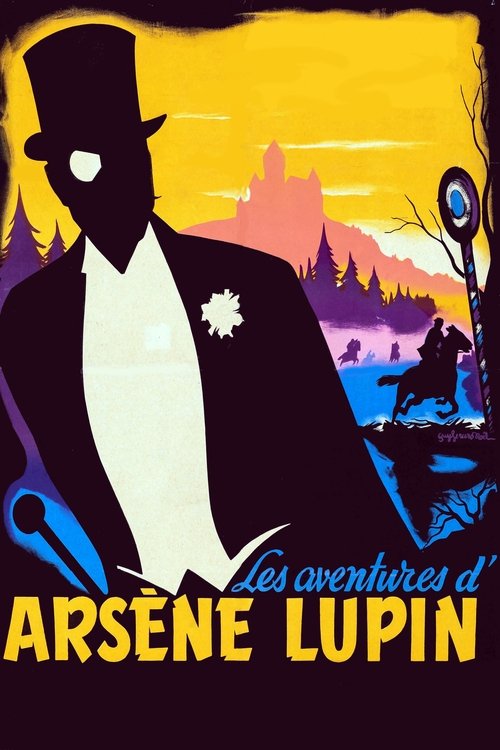
The Adventures of Arsène Lupin 1957
Jacques Becker's 1957 caper classic *The Adventures of Arsène Lupin* blends sharp wit, daring heists, and old-world charm as the legendary gentleman thief outsmarts both the law and the German Emperor's ambitions.
Director: Jacques Becker
Cast





Frequently Asked Questions
What is *The Adventures of Arsène Lupin* (1957) about?
The film follows the dashing Arsène Lupin, a gentleman thief who redistributes stolen wealth while taunting authorities with daring heists. In this installment, he targets a vault in Alsace, two priceless paintings, and a cache of jewels—all while evading capture under the watchful eye of the German Emperor's forces.
Who directed *The Adventures of Arsène Lupin*?
Jacques Becker, the French filmmaker known for his stylish crime dramas and character-driven narratives, directed the film.
Who stars in *The Adventures of Arsène Lupin*?
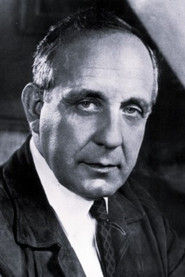
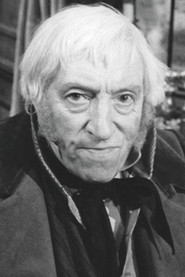
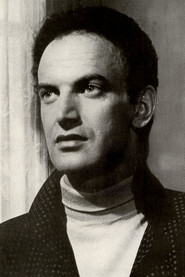
Robert Lamoureux leads the cast as the iconic Arsène Lupin, joined by Liselotte Pulver, O.E. Hasse, Daniel Ceccaldi, and Georges Chamarat in this elegant caper.
Is *The Adventures of Arsène Lupin* (1957) worth watching?
For fans of classic crime comedies and clever heist stories, *The Adventures of Arsène Lupin* is a delightful treat. Becker's direction infuses the film with wit and sophistication, making it a standout in the genre despite its modest runtime.
How long is *The Adventures of Arsène Lupin*?
The film runs for 104 minutes, a tight and engaging runtime that keeps the story brisk and the humor razor-sharp.
About The Adventures of Arsène Lupin (1957) — Jacques Becker's Witty Crime Caper Unwrapped
Jacques Becker's 1957 caper classic *The Adventures of Arsène Lupin* blends sharp wit, daring heists, and old-world charm as the legendary gentleman thief outsmarts both the law and the German Emperor's ambitions. Played with effortless flair by Robert Lamoureux, Lupin isn't just a rogue—he's a Robin Hood figure who redistributes stolen wealth to the poor before vanishing into the shadows. The film crackles with the tension of a high-stakes game, where every move is a calculated gambit: two priceless masterpieces, a trove of jewels, and a vault in Alsace gone missing all point to Lupin's signature. Yet this time, the stakes are higher—his identity teeters on the edge of exposure, and the police prefect is closing in. Becker crafts a sleek, dialogue-rich mystery that revels in the elegance of deception, where every character, from Liselotte Pulver's cunning accomplice to O.E. Hasse's imposing authority figure, becomes a pawn in Lupin's grand illusion.
The tone is playful but polished, a 1950s French film where sophistication meets mischief. Beneath the surface of Lupin's audacious crimes lies a sly commentary on power and privilege, wrapped in sparkling escapism. With its crisp runtime and timeless allure, *The Adventures of Arsène Lupin (1957)* remains a must-see for fans of classic crime comedies and anyone who loves a hero who dances on the edge of the law.