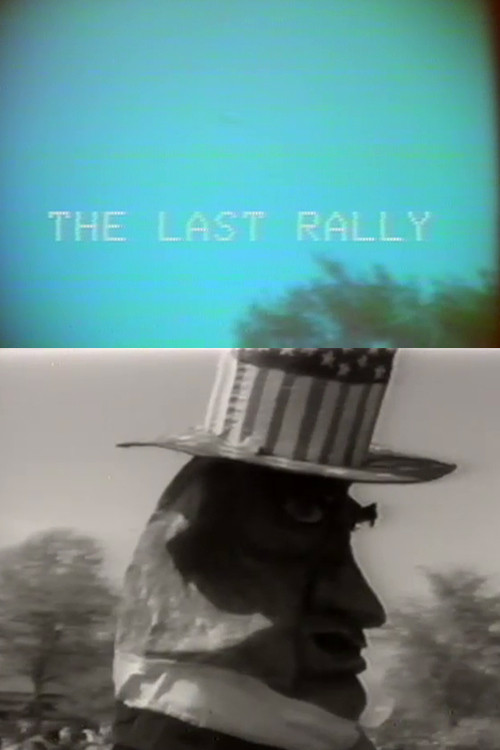
The Last Rally 1976
Step back to May 11, 1975 and the post-Vietnam war demonstration unfolding in New York's Central Park.
Director: Joe Loguidice
Frequently Asked Questions
What is The Last Rally (1976) about?
The film documents the post-Vietnam war rally held in Central Park on May 11, 1975, blending live performances by Phil Ochs, Patti Smith, and Joan Baez with interviews and crowd scenes that capture the spirit of activism during the mid-1970s. It's less a dry record and more a living snapshot of New York's civic pulse.
Who directed The Last Rally?
Joe Loguidice helmed this short documentary, serving as both the film's guiding eye and a founding member of the YES New York collective behind the footage.
Who stars in The Last Rally?
The program features headline sets by Phil Ochs, Patti Smith, and Joan Baez, along with a notable interview with civil-rights attorney William Kunstler.
Is The Last Rally (1976) worth watching?
As a concise 32-minute documentary from an unrated era, it offers a rare window into the fusion of music and protest during the post-Vietnam 1970s. Fans of historical performance footage or political cinema will find its raw authenticity more rewarding than polished blockbusters.
How long is The Last Rally?
The runtime is 32 minutes, a brisk half-hour that keeps the energy high and the history intact.
About The Last Rally (1976) — A 32-Minute Time Capsule of Music, Protest, and New York's Summer of '75
Step back to May 11, 1975 and the post-Vietnam war demonstration unfolding in New York's Central Park. Captured in crisp black-and-white by the YES New York collective—Shridhar Bapat, Mark Brownstone, Karen Edwards and director Joe Loguidice—this half-hour documentary freezes a moment when music and protest fused into raw civic energy. Phil Ochs, Patti Smith and Joan Baez raise voices that still echo today, while attorney William Kunstler shares the legal pulse of the era. Against the skyline of a city still healing, the film transforms archival footage into living history, turning footnote footage into urgent witness.
The Last Rally (1976) doesn't merely preserve a rally; it revives the sights and sounds of an afternoon when art became activism and Central Park became a forum. Loguidice's lens lingers on the friction between hope and disillusionment, on the poets who turned slogans into songs, and on the crowd that turned songs into solidarity. Whether you're a student of the era or a newcomer to its convictions, this 32-minute capsule offers a time machine ride to the day politics and performance refused to stay silent.