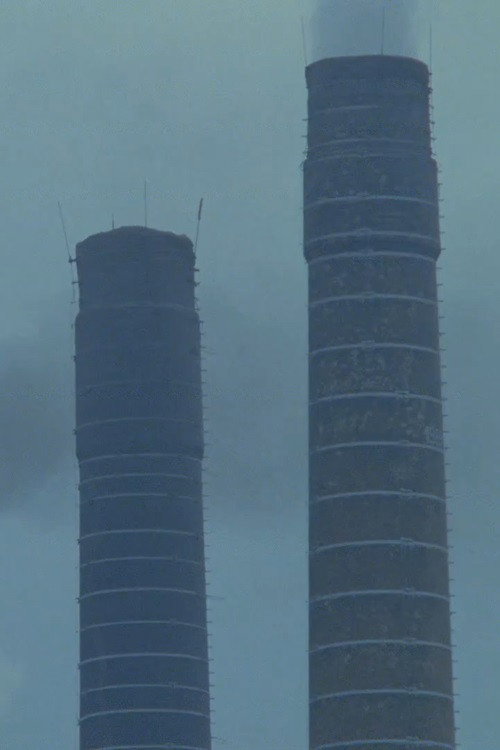
The Smoke Only 1990
The Smoke Only (1990) is a compelling short documentary that shines a light on the environmental crisis plaguing Walbrzych, Poland.
Director: Tadeusz Palka
Frequently Asked Questions
What is The Smoke Only (1990) about?
The Smoke Only (1990) explores the severe air pollution crisis in Walbrzych, Poland, documenting how excessive industrialization has created a landscape choked with smoke, mining waste, and environmental destruction while examining the impact on local residents who live daily with toxic smog.
Who directed The Smoke Only?
The Smoke Only was directed by Tadeusz Palka, a filmmaker known for his documentary work focusing on social and environmental issues in Poland.
Who stars in The Smoke Only?
The main cast information for The Smoke Only is not publicly available, as this appears to be a documentary featuring local residents and community members rather than professional actors.
Is The Smoke Only (1990) worth watching?
At just 12 minutes long, The Smoke Only offers a concise but impactful look at environmental issues that remain relevant today. While unrated on IMDb, its documentary format and focus on real-world consequences make it a worthwhile short viewing experience for those interested in ecological themes.
How long is The Smoke Only?
The Smoke Only has a runtime of 12 minutes.
The Smoke Only: Industrial Ghosts Over Walbrzych — Full Movie Info
The Smoke Only (1990) is a compelling short documentary that shines a light on the environmental crisis plaguing Walbrzych, Poland. Directed by Tadeusz Palka, this 12-minute film captures the devastating consequences of unchecked industrial growth, presenting a stark visual narrative of a community choking under the weight of its own progress. Through powerful imagery and unflinching observation, the documentary reveals how decades of mining operations and careless industrial practices have transformed the landscape into a wasteland of perpetual haze and destruction.
The film's atmosphere is one of quiet urgency, as it follows residents who have lived their entire lives under smog-filled skies. Viewers witness the transformation of once-clear horizons into a perpetual veil of smoke, while massive mining waste heaps dominate the terrain like artificial mountains. Burnt buildings stand as monuments to industrial accidents, creating an unsettling backdrop for the human stories at the heart of this environmental tragedy. Palka's approach emphasizes the personal cost of ecological neglect, showing how children grow up accepting air pollution as their normal environment.
This documentary serves as both historical record and cautionary tale, highlighting themes of environmental responsibility, industrial recklessness, and the resilience of communities facing invisible but deadly threats. The Smoke Only (1990) remains relevant today as societies continue to grapple with the balance between economic development and environmental protection.