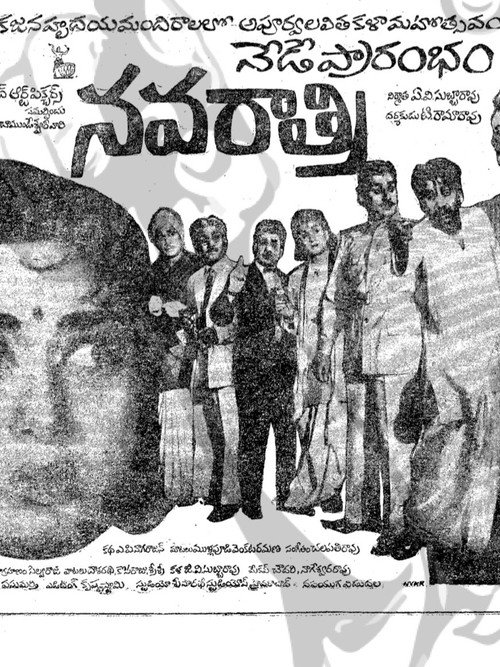
Navaratri 1966
Set against the vibrant backdrop of a festival, Navaratri (1966) is a romantic comedy that delves into the complexities of human emotions. Directed by Rama Rao Tatineni, this Telugu film masterfully weaves a tale of love, relationships, and personal growth.
Director: Rama Rao Tatineni
Cast

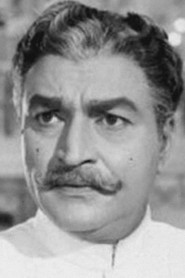
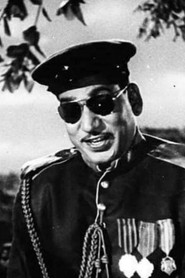
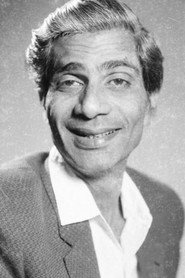
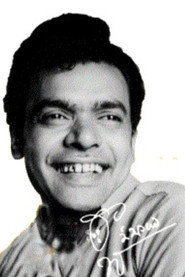
Frequently Asked Questions
What is Navaratri (1966) about?
Navaratri (1966) is a romantic comedy that follows the journey of Radha, a young woman who runs away from her arranged marriage and discovers nine individuals, each representing a distinct aspect of human behavior.
Who directed Navaratri?
Navaratri (1966) was directed by Rama Rao Tatineni.
Who stars in Navaratri?
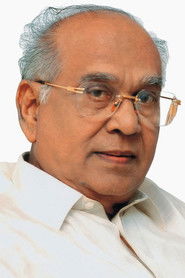
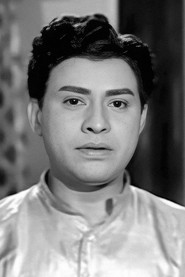
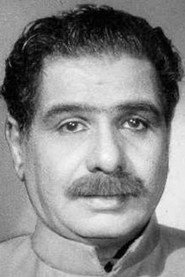
The main cast of Navaratri (1966) includes Nageshwara Rao Akkineni, Savitri, and Kongara Jaggayya.
Is Navaratri (1966) worth watching?
While Navaratri (1966) may not have a high IMDb rating, its lighthearted atmosphere and exploration of universal themes make it an enjoyable experience for audiences looking for a feel-good movie.
How long is Navaratri?
Navaratri (1966) has a runtime of 145 minutes.
About Navaratri (1966) — A Journey of Self-Discovery through the Colors of Navaratri
Set against the vibrant backdrop of a festival, Navaratri (1966) is a romantic comedy that delves into the complexities of human emotions. Directed by Rama Rao Tatineni, this Telugu film masterfully weaves a tale of love, relationships, and personal growth. The movie follows the journey of Radha, a young woman who runs away from her arranged marriage and discovers nine individuals, each representing a distinct aspect of human behavior. As she navigates her new surroundings, Radha undergoes a transformation, learning valuable lessons about life and love. With its engaging storyline, lovable characters, and a touch of humor, Navaratri (1966) is a captivating watch. The film's lighthearted atmosphere and exploration of universal themes make it an enjoyable experience for audiences. If you're in the mood for a feel-good movie that will leave you smiling, look no further than Navaratri (1966).