The Right of Way 1913
Directed by Archer MacMackin, *The Right of Way* (1913) transports audiences into the dramatic and romantic tensions of early 20th-century society. This silent-era gem stars Francis X.
Director: Archer MacMackin
Cast
Frequently Asked Questions
What is The Right of Way (1913) about?
*The Right of Way* (1913) follows a couple whose love is tested by societal expectations and external pressures. As they confront moral dilemmas, their bond is strained, forcing them to question what's truly worth fighting for. The film blends romance with drama, all wrapped in the elegance of the early 1900s.
Who directed The Right of Way?
Archer MacMackin directed *The Right of Way*. While details about his broader filmography are scarce, his work on this 1913 film showcases his ability to balance romance and tension.
Who stars in The Right of Way?
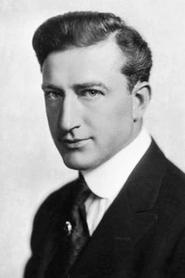
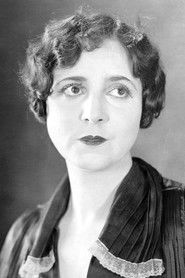
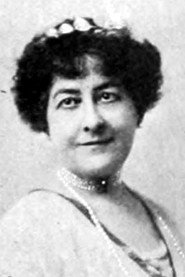
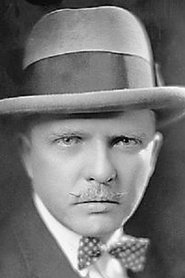
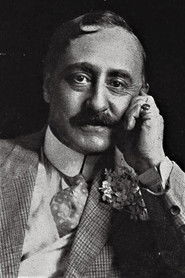
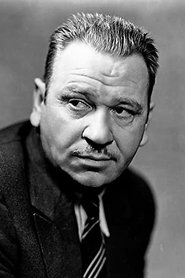
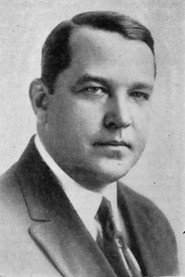
The film stars Francis X. Bushman and Beverly Bayne as the lead couple, with supporting roles played by Helen Dunbar, William Bailey, and Frank Dayton.
Is The Right of Way (1913) worth watching?
As a silent-era romance with drama, *The Right of Way* (1913) offers a glimpse into early cinema's storytelling techniques. While it may lack modern pacing, its themes and performances make it a fascinating watch for fans of vintage film or historical romance.
How long is The Right of Way?
The runtime for *The Right of Way* (1913) is 55 minutes.
About The Right of Way (1913) — A Silent-Era Romance with Moral Dilemmas
Directed by Archer MacMackin, *The Right of Way* (1913) transports audiences into the dramatic and romantic tensions of early 20th-century society. This silent-era gem stars Francis X. Bushman and Beverly Bayne as two lovers navigating societal pressures and moral dilemmas, their relationship tested by external forces. Set against the backdrop of opulent mansions and shadowy intrigue, the film explores themes of duty, choice, and the personal cost of upholding tradition. With a runtime of 55 minutes, it's a concise yet impactful snapshot of drama and romance from a time when cinema was still finding its voice.
The chemistry between Bushman and Bayne elevates the story, blending heartfelt emotion with the suspense of unseen conflicts. MacMackin's direction crafts a mood of elegance and tension, where every glance and gesture carries weight. *The Right of Way* (1913) isn't just a historical curiosity—it's a testament to the storytelling power of silent film, where silence speaks volumes and romance unfolds in whispers.