Grass County Goes Dry 1914
Grass County Goes Dry (1914) offers a glimpse into early American silent comedy, delivering lighthearted entertainment from the dawn of cinema.
Cast

Frequently Asked Questions
What is Grass County Goes Dry (1914) about?
This silent comedy follows small-town antics during the prohibition era, blending rural humor with temperance themes through physical comedy and situational gags typical of early American filmmaking.
Who directed Grass County Goes Dry?
Director information is not available for this 1914 production.
Who stars in Grass County Goes Dry?
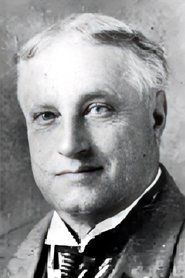
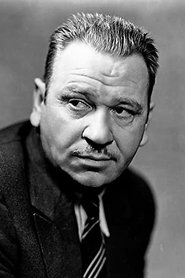
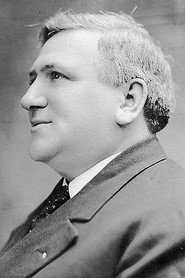
The film features Wallace Beery, Robert Bolder, Frank Owens, Annie Edney, and Charles J. Stine in key roles.
Is Grass County Goes Dry (1914) worth watching?
As an unrated early comedy, it serves more as a historical curiosity than entertainment, offering valuable insight into silent film techniques and 1914 American humor despite its modest production values.
How long is Grass County Goes Dry?
The film runs for 22 minutes.
Grass County Goes Dry (1914): Classic Silent Comedy — Full Movie Info
Grass County Goes Dry (1914) offers a glimpse into early American silent comedy, delivering lighthearted entertainment from the dawn of cinema. This brief 22-minute farce captures the spirit of rural America during the prohibition era, where temperance movements and small-town politics provided fertile ground for comedic storytelling. The film showcases the physical comedy styles that would define an era, with exaggerated situations and character-driven humor typical of early 20th-century filmmaking.
Directed by an unknown filmmaker, Grass County Goes Dry features a capable ensemble cast including Wallace Beery, Robert Bolder, and Frank Owens, whose performances bring warmth and authenticity to this vintage production. The short runtime makes it an accessible watch for silent film enthusiasts and historians alike. While the technical aspects reflect the limitations of 1914 filmmaking, the genuine charm and historical significance shine through.
This comedy represents an important piece of cinematic archaeology, offering modern audiences a chance to experience the evolution of American comedy. The themes of small-town life and social reform resonate with timeless humor, making Grass County Goes Dry (1914) a fascinating curiosity for fans of early cinema.