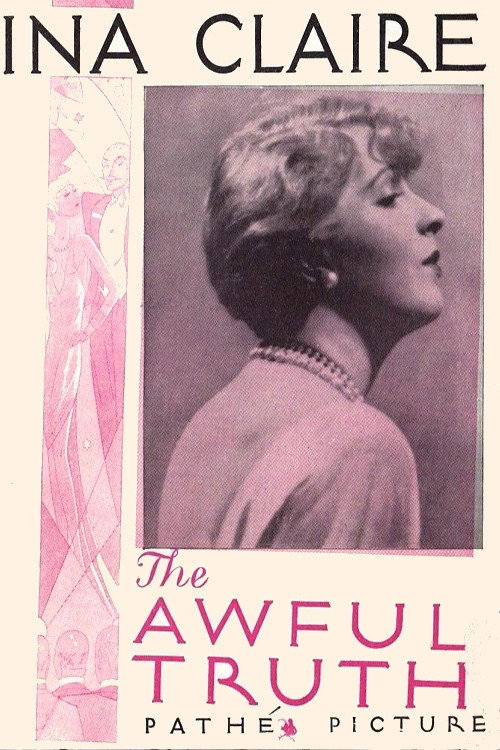
The Awful Truth 1929
"TO LOVE OR NOT TO LOVE - THAT WAS THE QUESTION"
In *The Awful Truth (1929)*, director Marshall Neilan crafts a razor-sharp silent-era comedy that dissects the fragility of love and trust in a wealthy Manhattan couple whose marriage unravels under the weight of their own infidelities.
Director: Marshall Neilan
Cast


Frequently Asked Questions
What is The Awful Truth (1929) about?
*The Awful Truth* follows a high-society couple whose marriage crumbles when their secrets and lies spill into the public eye. As they spiral toward divorce, their personal battles become fodder for gossip and legal battles, testing their pride and resilience.
Who directed The Awful Truth?
Marshall Neilan directed *The Awful Truth*, bringing a keen eye for comedic timing and social satire to this 1929 silent-era film.
Who stars in The Awful Truth?
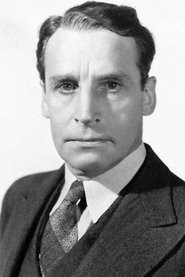
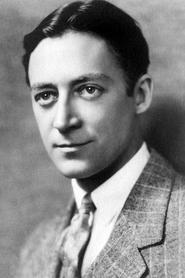
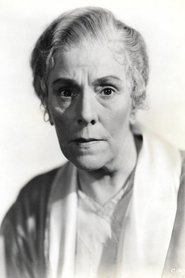
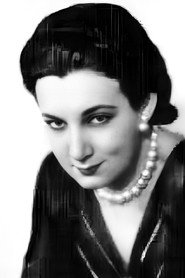
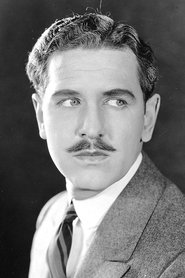
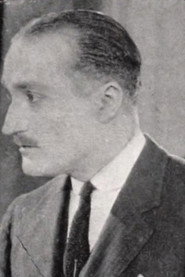
The film stars Ina Claire and Henry Daniell as the ill-fated couple, with Theodore von Eltz, Paul Harvey, and Blanche Friderici rounding out the ensemble.
Is The Awful Truth (1929) worth watching?
As a crisp silent-era comedy with sharp dialogue and standout performances, *The Awful Truth* remains a delight for fans of classic cinema. Its blend of romance, farce, and social commentary offers both entertainment and a nostalgic glimpse into 1920s Hollywood charm.
How long is The Awful Truth?
The Awful Truth runs for 80 minutes, a tight and engaging runtime that keeps the story moving at a lively pace.
About The Awful Truth (1929) — A 1920s Romantic Comedy Classic of Divorce and Deception
In *The Awful Truth (1929)*, director Marshall Neilan crafts a razor-sharp silent-era comedy that dissects the fragility of love and trust in a wealthy Manhattan couple whose marriage unravels under the weight of their own infidelities. As the pair navigates the treacherous waters of divorce court, their personal scandals become public spectacle, exposing the absurdity of pride and the high cost of romantic rivalry. With a runtime just shy of 80 minutes, this 1920s gem blends sophisticated banter with slapstick energy, all wrapped in the glossy veneer of Jazz Age sophistication.
The film's true brilliance lies in its ability to balance biting wit with genuine pathos, as the characters' antics—from clandestine rendezvous to courtroom theatrics—reveal the thin line between comedy and tragedy. Ina Claire and Henry Daniell deliver performances brimming with charisma and comedic timing, anchoring a story that feels as relevant today as it did a century ago: a timeless tale of love lost, pride wounded, and the messy, human chaos of relationships on the brink.