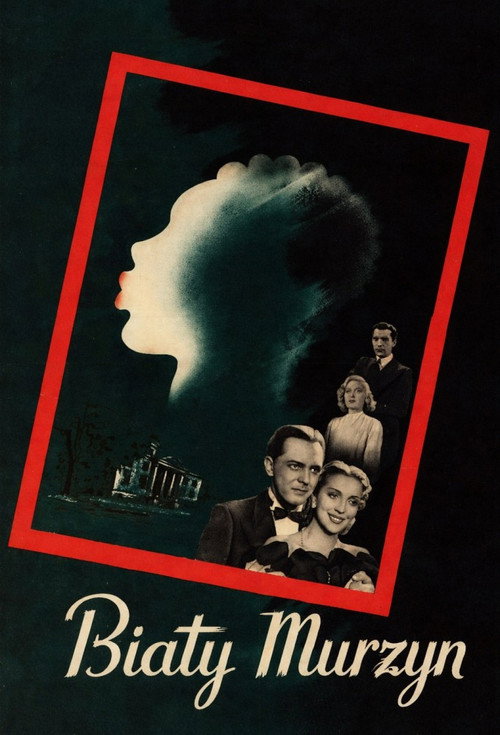
Biały Murzyn 1939
Set against the backdrop of pre-war aristocracy, *Biały Murzyn (1939)* weaves a poignant tale of loss and resilience as the young Countess of Leipzig faces an unexpected twist of fate.
Director: Leonard Buczkowski
Cast


Frequently Asked Questions
What is Biały Murzyn (1939) about?
This Polish drama follows a young countess who, after her fiancé's tragic death, learns she's pregnant. Facing societal scandal, she enters a marriage of convenience with the son of her father's servant—a brilliant doctor whose ambition and kindness offer her a fragile new beginning.
Who directed Biały Murzyn?
The film was directed by Leonard Buczkowski, a prominent Polish filmmaker known for his work in the pre-war era and beyond.
Who stars in Biały Murzyn?
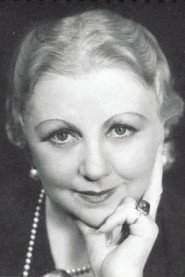
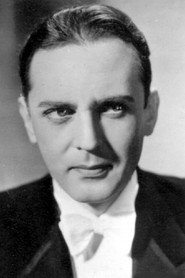
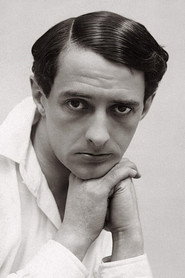
The film features Tamara Wiszniewska in the lead role, supported by Barbara Orwid, Mieczysława Ćwiklińska, Jerzy Pichelski, and Aleksander Żabczyński.
Is Biały Murzyn (1939) worth watching?
Though unrated on IMDb, *Biały Murzyn* is a historically significant drama that offers a gripping look at class dynamics and personal resilience in pre-war Poland. Its emotional depth and strong performances make it compelling for fans of classic drama and romance.
How long is Biały Murzyn?
The film has a runtime of 85 minutes.
About Biały Murzyn (1939) — A Polish Pre-War Drama of Love, Loss, and Unexpected Alliances
Set against the backdrop of pre-war aristocracy, *Biały Murzyn (1939)* weaves a poignant tale of loss and resilience as the young Countess of Leipzig faces an unexpected twist of fate. After the sudden death of her fiancé shatters her world, she discovers she's with child, a revelation that threatens to unravel the rigid moral fabric of high society. To protect her family's reputation, she's pressured into a marriage of convenience with the son of a loyal servant—a brilliant medical student whose ambition and kindness offer her a lifeline in stormy times. Directed by Leonard Buczkowski, the film blends drama and romance against a setting rich with societal tension and personal sacrifice. The atmosphere is charged with emotional weight, exploring themes of duty, class divides, and the quiet strength found in unexpected alliances.
The story unfolds with a mix of elegance and grit, as the countess navigates the complexities of her new life while clinging to hope for the future. Buczkowski's direction infuses the narrative with a timeless quality, balancing intimate character moments with the sweeping pressures of tradition. The cast, led by Tamara Wiszniewska and Jerzy Pichelski, delivers performances that ground the film's dramatic core in raw humanity, making *Biały Murzyn* a compelling dive into the human spirit's ability to adapt and endure.