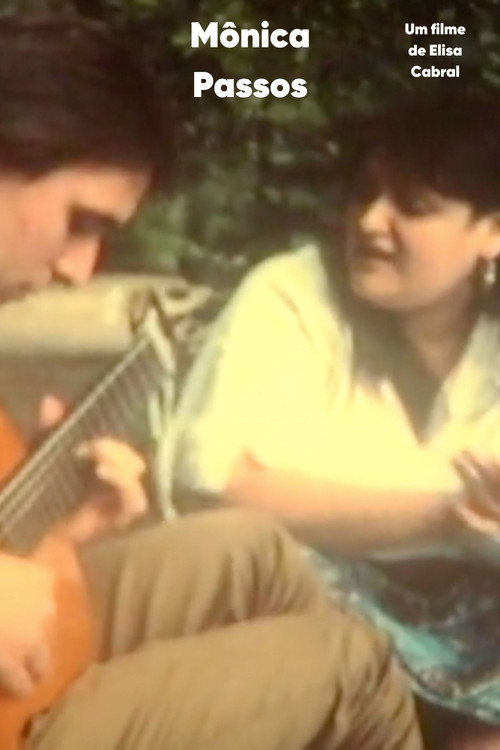
Mônica Passos 1981
Step into the vibrant world of 1981's *Mônica Passos*—a poetic short film that captures the soulful journey of the Brazilian singer as she navigates life between Parisian stages and intimate domestic moments.
Director: Elisa Cabral
Frequently Asked Questions
What is Mônica Passos (1981) about?
This 1981 short film follows Brazilian singer Mônica Passos as she balances her artistic passion with activism. It captures her recording the song "Itaipu" in the studio, performing in Parisian parks, and reflecting on the environmental toll of the Itaipu Dam project. Through striking visuals, her music becomes a metaphor for nature's voice.
Who directed Mônica Passos?
Elisa Cabral directed *Mônica Passos (1981)*, crafting a visually poetic portrait of the singer's life and work.
Who stars in Mônica Passos?
The film stars Brazilian singer Mônica Passos herself, accompanied by her guitarist husband, whose presence adds warmth and spontaneity to the narrative.
Is Mônica Passos (1981) worth watching?
While unrated on IMDb, *Mônica Passos* offers a unique blend of performance art and activism that will resonate with fans of short films and world music. Its 23-minute runtime makes it an accessible yet impactful watch for those interested in Brazilian culture and environmental themes.
How long is Mônica Passos?
The film runs for 23 minutes.
About Mônica Passos (1981) — A Glimpse into the Artistic Life of Brazilian Singer Mônica Passos
Step into the vibrant world of 1981's *Mônica Passos*—a poetic short film that captures the soulful journey of the Brazilian singer as she navigates life between Parisian stages and intimate domestic moments. Directed by Elisa Cabral, this 23-minute gem blends performance and personal reflection, showcasing Passos in moments of creativity, rebellion, and raw musical expression. The film opens in her Parisian apartment, where the hum of daily life blends into the rhythms of her next song, "Itaipu," a track born from her environmental activism against the destructive Itaipu Dam.
On screen, the boundaries between sound and nature dissolve as Passos's powerful voice mimics the calls of birds, her voice becoming an extension of the landscape itself. With her guitarist husband by her side, the film closes on a lighthearted note, their playful walk away from the camera leaving viewers with a sense of joy and artistic freedom. A visual and auditory feast, *Mônica Passos (1981)* is a tribute to music's power to inspire and protest in equal measure.