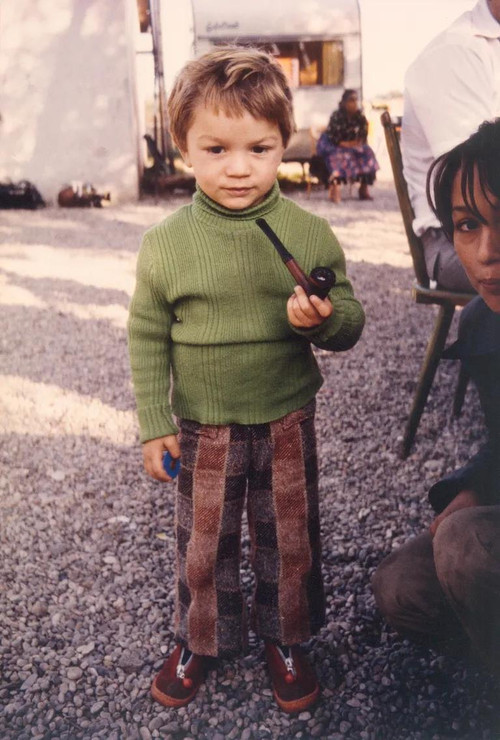
Wir sind Sintikinder und keine Zigeuner 1981
Directed by Katrin Seybold in 1981, *Wir sind Sintikinder und keine Zigeuner* offers a rare, intimate glimpse into the life of nine-year-old Brigitta, a Sinti girl growing up in a tight-knit Bavarian caravan community.
Director: Katrin Seybold
Frequently Asked Questions
What is *Wir sind Sintikinder und keine Zigeuner* (1981) about?
The film follows nine-year-old Brigitta, a Sinti girl living in a Bavarian caravan community, as she navigates a way of life steeped in Romani traditions. Through her eyes, we witness a close-knit family where elders share stories of survival and children are fully integrated into adult responsibilities, all while resisting the labels imposed by outsiders.
Who directed *Wir sind Sintikinder und keine Zigeuner*?
The film was directed by Katrin Seybold, whose documentary style brings an authentic, observational approach to this portrait of Sinti life in 1980s Bavaria.
Who stars in *Wir sind Sintikinder und keine Zigeuner*?
The documentary centers on nine-year-old Brigitta, with her family members—including elders and children—taking prominent roles in sharing their stories and traditions.
Is *Wir sind Sintikinder und keine Zigeuner* (1981) worth watching?
As a short but powerful documentary from 1981, it offers a rare and unfiltered look at Sinti culture at a time when their stories were often overlooked. Its themes of identity and resistance make it compelling for viewers interested in social histories and cultural resilience, even without a widely known cast or commercial release.
How long is *Wir sind Sintikinder und keine Zigeuner*?
The film runs for 20 minutes, making it a concise but impactful viewing experience.
About Wir sind Sintikinder und keine Zigeuner (1981) — A Sinti Family's Fight Against Stereotypes
Directed by Katrin Seybold in 1981, *Wir sind Sintikinder und keine Zigeuner* offers a rare, intimate glimpse into the life of nine-year-old Brigitta, a Sinti girl growing up in a tight-knit Bavarian caravan community. The documentary captures the rhythms of a world where Romani traditions still thrive, grandparents pass down ancestral stories, and every generation—from the youngest to the eldest—lives in harmony. Brigitta's daily existence unfolds against the backdrop of customs that reject outsiders' labels, making it clear that these are not 'gypsies' but a proud, self-sufficient culture with deep roots. Seybold's lens immerses viewers in a slower-paced life where elders share memories of a past both painful and resilient, creating a portrait of resilience and authenticity.
The film contrasts the warmth of Sinti family life with the harsh realities of institutional bias, particularly in schools where dual cultures collide. Through candid conversations and daily rituals, Seybold crafts an atmosphere of quiet defiance—a community refusing to be reduced to stereotypes. Shot in muted tones that mirror the simplicity of caravan life, *Wir sind Sintikinder und keine Zigeuner* is less a film and more a window into a world rarely seen on screen. It's a testament to heritage, identity, and the unbreakable bonds that define the Sinti people.