Nie było słońca tej wiosny 1984
In the harrowing landscape of 'Nie było słońca tej wiosny (1984)', director Juliusz Janicki crafts a poignant wartime drama where survival intertwines with moral courage.
Director: Juliusz Janicki
Cast



Frequently Asked Questions
What is Nie było słońca tej wiosny (1984) about?
This 1984 Polish war drama follows a Jewish woman who escapes a transport and finds shelter with a family poisoned by carbon monoxide. The host, faced with a heart-wrenching dilemma, chooses to hide her, setting off a chain of events that tests the limits of human resilience and morality.
Who directed Nie było słońca tej wiosny?
Juliusz Janicki directed Nie było słońca tej wiosny (1984), bringing a keen eye for emotional intensity and wartime tension to the project.
Who stars in Nie było słońca tej wiosny?
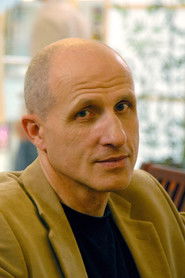
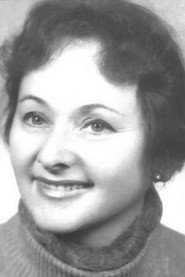
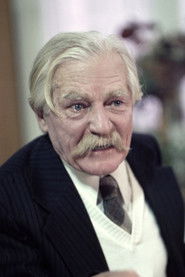
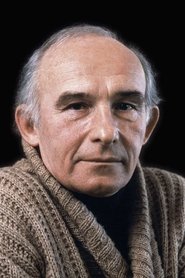
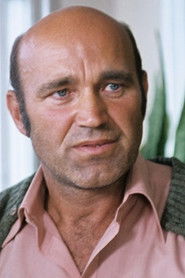
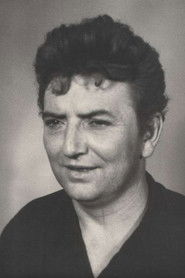
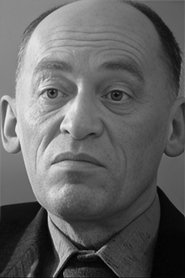
The film features Ernestyna Winnicka and Maciej Kozłowski in lead roles, supported by Krystyna Wachelko-Zaleska, Janina Nowicka, and Henryk Bista.
Is Nie bylo slonca tej wiosny (1984) worth watching?
While the IMDb rating isn't available, its tightly woven drama and historical weight make it compelling for fans of war films and human-centric stories. The film's concise runtime and emotional depth ensure it leaves a lasting impact.
How long is Nie było słońca tej wiosny?
Nie było słońca tej wiosny runs for 86 minutes.
About Nie było słońca tej wiosny (1984) — A Wartime Drama of Courage and Sacrifice
In the harrowing landscape of 'Nie było słońca tej wiosny (1984)', director Juliusz Janicki crafts a poignant wartime drama where survival intertwines with moral courage. Set against the backdrop of an oppressive era, a young Jewish woman flees the clutches of a transport only to seek refuge with a desperate family succumbing to carbon monoxide poisoning. The tension escalates as the host, torn between fear and humanity, decides to shelter the fugitive, illuminating the fragile threads of compassion that define this intense narrative. With a runtime of just 86 minutes, Janicki delivers a compact yet emotionally resonant story that explores the depths of courage and sacrifice.
Starring Ernestyna Winnicka and Maciej Kozłowski at its core, the film blends raw drama with the stark realities of war, capturing moments of quiet heroism amidst chaos. The atmosphere is thick with suspense and dread, as each decision could mean life or death. The themes of resilience, moral dilemmas, and the human spirit's capacity to endure resonate deeply, making 'Nie było słońca tej wiosny (1984)' a standout entry in war cinema.