Piętno 1985
Piętno (1985), a gripping drama-thriller by visionary Polish director Ryszard Czekała, plunges viewers into the haunting legacy of political violence.
Director: Ryszard Czekała
Cast


Frequently Asked Questions
What is Piętno (1985) about?
Piętno (1985) centers on Józef, who returns to his hometown to confront the unresolved murder of his father, a peasant activist killed for his beliefs. As he retraces the events leading to that fateful day, Józef uncovers a web of secrets tied to local power structures and the quiet complicity that allowed the crime to go unpunished.
Who directed Piętno?
Piętno was directed by the acclaimed Polish filmmaker Ryszard Czekała, known for his evocative storytelling and sharp social commentary through cinema.
Who stars in Piętno?
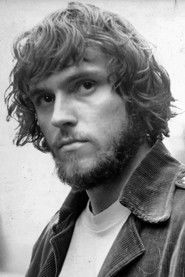
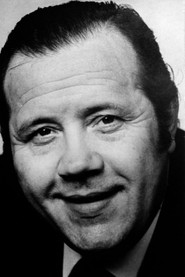
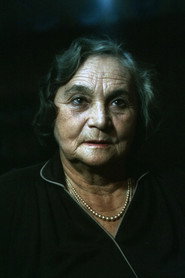
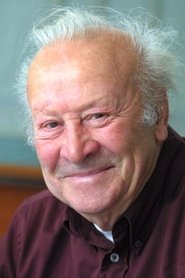
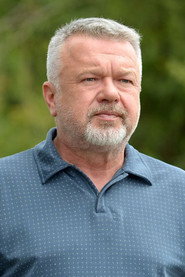
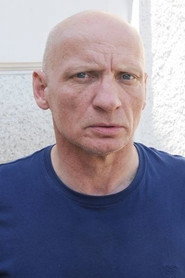
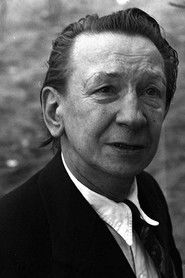
The film features a compelling ensemble led by Maciej Góraj, Grażyna Skorłutowska, Zdzisław Kozień, Anna Milewska, and Helena Kowalczykowa, with Leon Niemczyk rounding out the cast in a standout role.
Is Piętno (1985) worth watching?
While Piętno (1985) lacks an IMDb rating, its gripping blend of drama and thriller elements—alongside a thought-provoking exploration of political violence and personal legacy—makes it a compelling watch for fans of slow-burn, atmospheric cinema. It's not just a historical drama; it's a tense, morally complex portrait of resistance and reckoning.
How long is Piętno?
Piętno (1985) has a runtime of 92 minutes.
About Piętno (1985) — A Haunting Polish Drama of Politics, Memory, and Revenge
Piętno (1985), a gripping drama-thriller by visionary Polish director Ryszard Czekała, plunges viewers into the haunting legacy of political violence. The story follows Józef, who returns to his rural hometown on the grim anniversary of his father's brutal murder—a peasant activist silenced for daring to challenge the status quo. As Józef digs into the past, he uncovers layers of betrayal, fear, and the lingering scars left by a regime built on oppression. The film masterfully blends psychological tension with a stark, atmospheric critique of power, set against the bleak yet evocative backdrop of post-war Poland. With its unflinching portrayal of moral decay and resistance, Piętno resonates as both a personal tragedy and a historical indictment, wrapped in the director's signature visual intensity.
At its core, Piętno is a meditation on inheritance—not just the land or the family name, but the inescapable footprint of violence and the choices that define us. The tension simmers quietly at first, then erupts into a chilling exploration of guilt and survival. Czekała's direction, combined with a cast of powerhouse Polish actors, crafts a film that lingers long after the credits roll, demanding reflection on the cost of standing up—or staying silent.
Piętno (1985) remains a poignant reminder of how history's shadows shape the present, wrapped in a narrative that's as much about the past as it is about the unspoken truths of the human condition.