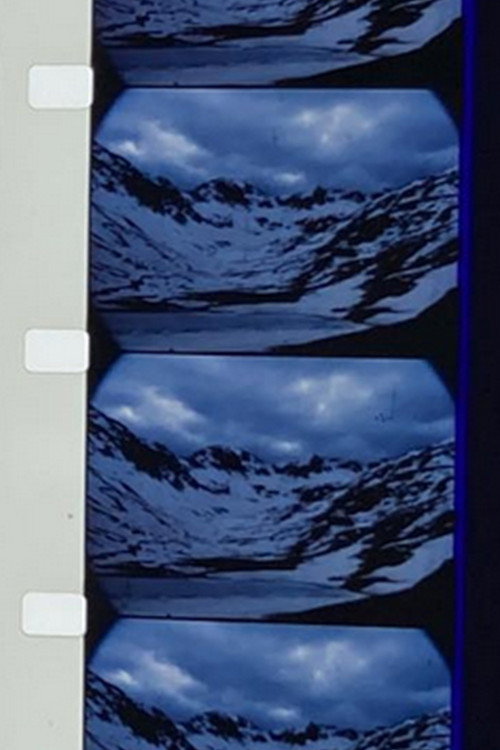
Upper Blue Lake 1996
James Otis' experimental short film *Upper Blue Lake (1996)* pushes the boundaries of visual perception, using an unconventional stereoscopic technique to explore how our eyes construct depth and distance.
Director: James Otis
Frequently Asked Questions
What is *Upper Blue Lake (1996)* about?
This experimental short reimagines landscape through hyper-stereoscopic filming, using extreme viewpoint spacing to distort depth perception. The result is a disorienting yet mesmerizing experience where distant scenery feels intimate and tangible, challenging how we see the world around us.
Who directed *Upper Blue Lake*?
The film was directed by James Otis, whose innovative approach to stereoscopy brought a fresh perspective to experimental cinema in the 1990s.
Who stars in *Upper Blue Lake*?
Cast details for *Upper Blue Lake (1996)* are not publicly documented, as the film focuses more on visual technique than conventional performance.
Is *Upper Blue Lake (1996)* worth watching?
If you enjoy avant-garde cinema or are intrigued by the science of perception, this 12-minute short offers a unique and thought-provoking experience. Its unrated status and experimental nature mean it's not for everyone, but those who appreciate visual innovation may find it intriguing.
How long is *Upper Blue Lake*?
*Upper Blue Lake (1996)* has a runtime of 12 minutes.
Upper Blue Lake (1996): A Radical Experiment in Stereoscopic Cinematography — Full Details
James Otis' experimental short film *Upper Blue Lake (1996)* pushes the boundaries of visual perception, using an unconventional stereoscopic technique to explore how our eyes construct depth and distance. Shot by capturing overlapping frames from viewpoints spaced up to hundreds of feet apart, the 12-minute piece challenges the viewer's sense of scale, making distant landscapes feel eerily close and tangible. By mimicking hyper-stereoscopy, Otis transforms mountains and horizons into tactile, almost surreal forms, blurring the line between reality and abstraction. The film's meditative pace and distorted perspective invite audiences to reconsider how they engage with the natural world, blending scientific curiosity with poetic visuals.
This avant-garde work sits at the intersection of experimental cinema and documentary-style landscape study, offering a fresh lens on familiar scenery. The interplay of light, motion, and stereo illusion creates an immersive experience that lingers long after the credits roll. While rooted in technical innovation, *Upper Blue Lake (1996)* ultimately feels like a quiet meditation on human perception—where every frame feels both familiar and freshly alien.