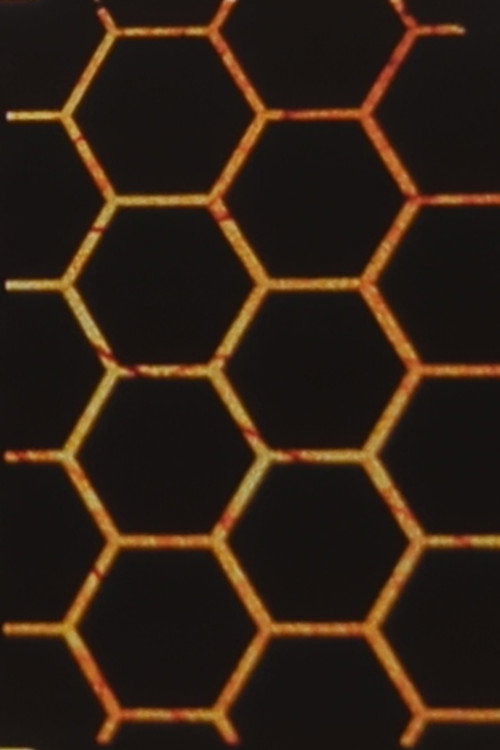
Hexes 1982
Hexes (1982) is a strikingly brief experimental short that transforms botanical philosophy into visual poetry. Director James Otis crafts a meditative exploration of plant forms, examining the tension between simple and complex leaf structures through abstract animation.
Director: James Otis
Frequently Asked Questions
What is Hexes (1982) about?
Hexes explores the abstract relationship between different plant forms through experimental animation, imagining how botanical structures interact when unobserved. The film uses English ivy as a focal point to examine the tension between simple and complex leaf arrangements.
Who directed Hexes?
James Otis directed this experimental short film. He brings a unique vision to the project, blending botanical themes with early computer-generated imagery.
Who stars in Hexes?
Cast information for Hexes is currently unavailable. The film focuses primarily on visual and conceptual elements rather than traditional narrative performances.
Is Hexes (1982) worth watching?
For fans of experimental cinema and botanical abstraction, Hexes offers a fascinating glimpse into early 1980s avant-garde filmmaking. Its unique approach to plant geometry and partially computer-generated visuals make it historically interesting, though its unrated status and extremely short runtime may limit broader appeal.
How long is Hexes?
Hexes runs for 3 minutes, making it an ultra-short experimental piece that delivers its artistic vision quickly and intensely.
Hexes (1982): Botanical Geometry in Motion — Full Movie Info
Hexes (1982) is a strikingly brief experimental short that transforms botanical philosophy into visual poetry. Director James Otis crafts a meditative exploration of plant forms, examining the tension between simple and complex leaf structures through abstract animation. The film imagines what happens when nature's geometric patterns unfold unseen, creating a verdant world born from mathematical friction.
This partially computer-generated work runs for just three minutes but packs an intense creative punch. Drawing inspiration from the contrast between mono- and dicotyledonous plants, Hexes translates botanical duality into a mesmerizing dance of form and color. The enigmatic tagline—"What triangles do when no one is watching"—hints at the film's playful yet profound examination of natural geometry in motion. A truly unique entry in early 1980s experimental cinema.
Despite its ultra-short runtime, Hexes leaves a lasting impression through its innovative blend of organic themes and emerging digital techniques. The film appeals to viewers interested in avant-garde animation and botanical abstraction.