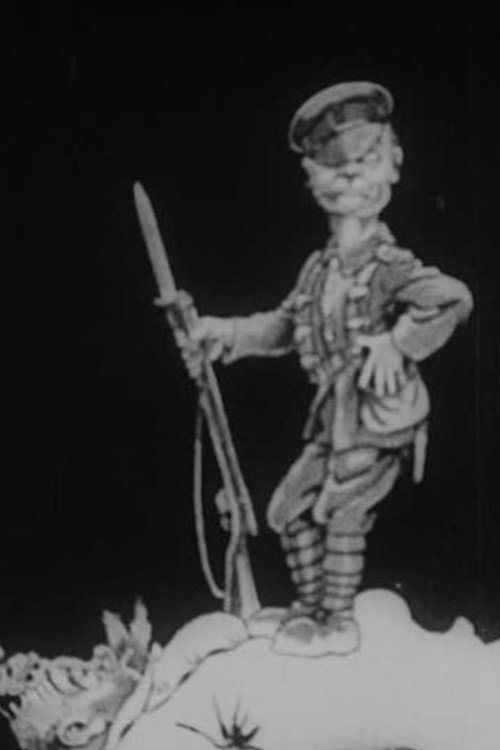
John Bull's Animated Sketchbook No. 4 1915
Dudley Buxton's *John Bull's Animated Sketchbook No. 4* (1915) delivers a bold, five-minute fusion of wartime propaganda and animation that blends sharp satire with unflinching drama.
Director: Dudley Buxton
Frequently Asked Questions
What is John Bull's Animated Sketchbook No. 4 (1915) about?
This 1915 animated short uses satirical cartooning to depict the sinking of the Lusitania, blending dark humor with pointed wartime critique. The film merges comedy and propaganda to challenge viewers on the ethics of war and imperialism.
Who directed John Bull's Animated Sketchbook No. 4?
Dudley Buxton directed this animated short, known for his innovative approach to visual storytelling during the silent film era.
Who stars in John Bull's Animated Sketchbook No. 4?
Cast details are unavailable, but the film's animated characters—including caricatures of political figures—play central roles in delivering its satirical message.
Is John Bull's Animated Sketchbook No. 4 (1915) worth watching?
While it lacks modern polish, its historical significance as an early animated propaganda piece makes it intriguing for film historians and animation fans. Its five-minute runtime means it's easy to digest, though its tone may feel dated to some viewers.
How long is John Bull's Animated Sketchbook No. 4?
The film runs for 5 minutes.
About John Bull's Animated Sketchbook No. 4 (1915) — A Pioneering WWI Propaganda Cartoon in Animation History
Dudley Buxton's *John Bull's Animated Sketchbook No. 4* (1915) delivers a bold, five-minute fusion of wartime propaganda and animation that blends sharp satire with unflinching drama. This pioneering short film uses vivid, hand-drawn imagery to recreate the infamous sinking of the Lusitania, weaving together moments of dark humor and biting political commentary in a style ahead of its time. The cartoon's tone oscillates between playful caricatures and stark realism, reflecting the charged atmosphere of World War I while critiquing imperialism and wartime atrocities. A bold experiment in visual storytelling, it stands as both a historical artifact and a testament to early animation's potential to influence public opinion.
At just five minutes long, Buxton's sketchbook-style animation packs a punch, using exaggerated characters and bold strokes to evoke emotion and provoke thought. The film's unique blend of genres—animation, war drama, and satire—makes it a fascinating entry in early cinema, offering modern viewers a glimpse into how animation was first weaponized for propaganda. Though brief, its impact lingers, challenging audiences to reflect on the power of imagery in shaping history and perception.