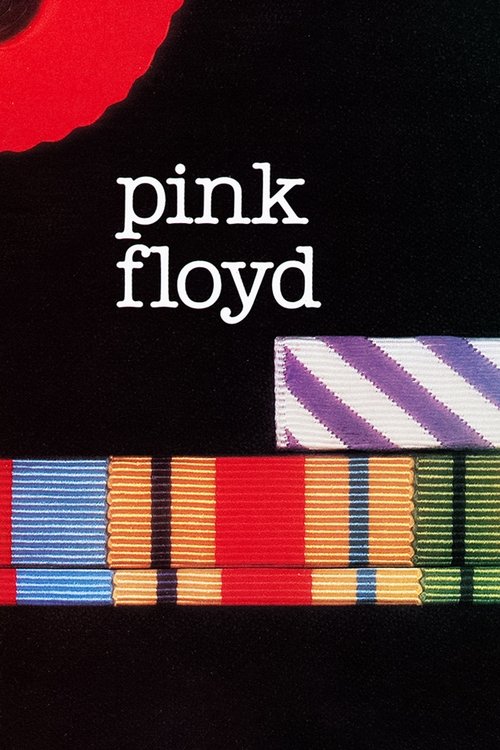
Pink Floyd: The Final Cut 1983
Pink Floyd: The Final Cut (1983) is a hauntingly poetic visual companion to Roger Waters' final album with the legendary band. Directed by Willie Christie, this 19-minute film EP blends music and imagery into a surreal, almost cinematic experience.
Director: Willie Christie
Cast
Frequently Asked Questions
What is Pink Floyd: The Final Cut (1983) about?
Pink Floyd: The Final Cut (1983) is a 19-minute visual EP that accompanies Roger Waters' final album with the band. It follows a patient in a psychiatric facility, whose haunting interactions and surroundings mirror the album's themes of war, loss, and institutional decay.
Who directed Pink Floyd: The Final Cut?
Willie Christie directed Pink Floyd: The Final Cut (1983). Christie, who was Roger Waters' brother-in-law, brought a cinematic sensibility to the project, blending music with striking visuals.
Who stars in Pink Floyd: The Final Cut (1983)?
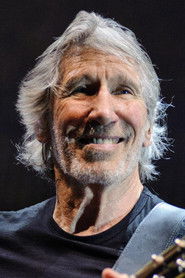
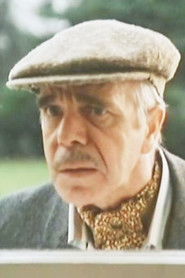
The cast includes Roger Waters and Scottish actor Alex McAvoy, who plays the patient in the psychiatric facility. Waters appears in silhouette, his voice and mouth the only visible traces of his presence.
Is Pink Floyd: The Final Cut (1983) worth watching?
As a visual companion to one of Pink Floyd's most introspective albums, Pink Floyd: The Final Cut (1983) is worth watching for its emotional depth and atmospheric storytelling. While it's a short film, its stark imagery and powerful performances make it a compelling experience, especially for fans of the band.
How long is Pink Floyd: The Final Cut?
Pink Floyd: The Final Cut (1983) runs for 19 minutes.
About Pink Floyd: The Final Cut (1983) — The 19-Minute Visual Masterpiece of Waters' Final Album
Pink Floyd: The Final Cut (1983) is a hauntingly poetic visual companion to Roger Waters' final album with the legendary band. Directed by Willie Christie, this 19-minute film EP blends music and imagery into a surreal, almost cinematic experience. Scottish actor Alex McAvoy, known for his role in *The Wall*, delivers a striking performance as a patient in a stark psychiatric setting, while Waters himself makes a cameo, his voice and silhouette the only traces of his presence. The film's atmosphere is dripping with melancholy and political urgency, reflecting the album's themes of war, loss, and institutional despair. Set against the backdrop of a desolate memorial home, the visuals amplify the raw emotion of the music, creating an immersive experience that lingers long after the credits roll.
This visual EP isn't just a collection of music videos; it's a condensed, emotionally charged narrative that distills the essence of *The Final Cut* into less than half an hour. The stark cinematography and somber performances underscore the album's biting commentary on authority and human suffering, making it a must-watch for fans of Pink Floyd's later work. Whether you're a longtime devotee or a newcomer to the band's discography, Pink Floyd: The Final Cut (1983) offers a unique and unforgettable way to experience one of their most introspective albums.