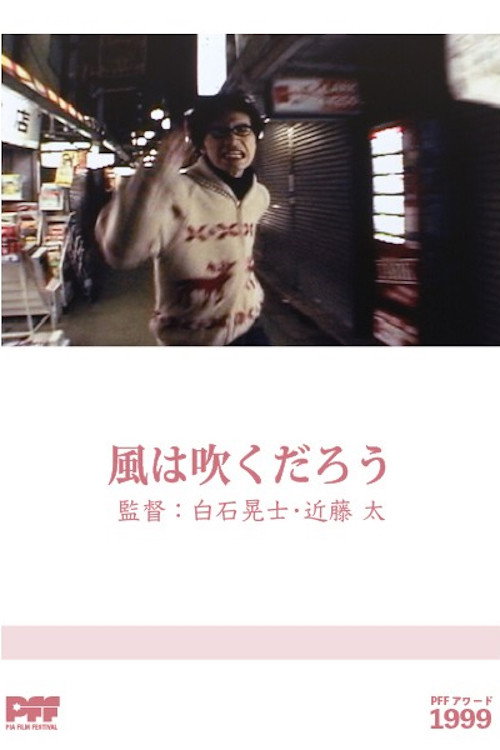
Kaze wa Fukudarou 1998
Koji Shiraishi's *Kaze wa Fukudarou (1998)* is a hauntingly intimate thriller that blurs the line between personal reflection and cinematic fiction.
Director: Koji Shiraishi
Cast

Frequently Asked Questions
What is Kaze wa Fukudarou (1998) about?
The film revolves around Machida, an aspiring director whose breakup with Yukiko sends him on a quest to document their relationship through his new video camera. As he films, the line between his personal memories and staged reenactments blurs, forcing him to confront the painful gaps between truth and perception.
Who directed Kaze wa Fukudarou?
The film was directed by Koji Shiraishi, known for his atmospheric and often unconventional storytelling that challenges the boundaries of reality in cinema.
Who stars in Kaze wa Fukudarou?
The cast includes Akihiro Kasai as Machida, Tomoko Matsunashi as Yukiko, and Keiko Sano, Kazuhiro Nakahara, and Kenji Murakami in pivotal supporting roles.
Is Kaze wa Fukudarou (1998) worth watching?
While *Kaze wa Fukudarou* isn't a mainstream thriller, it offers a compelling exploration of relationships and self-reflection through an unconventional lens. Its intimate, low-key intensity and themes of existential doubt make it a thought-provoking watch for fans of slow-burn, character-driven films.
How long is Kaze wa Fukudarou?
The movie runs for 111 minutes.
About Kaze wa Fukudarou (1998) — When a filmmaker's camera lies, love becomes the truest fiction
Koji Shiraishi's *Kaze wa Fukudarou (1998)* is a hauntingly intimate thriller that blurs the line between personal reflection and cinematic fiction. The film follows Machida, a budding filmmaker who, after a painful breakup, turns to his new video camera as both a confessional tool and a lens to dissect his fractured relationship with Yukiko. Armed with the raw immediacy of his recordings, Machida plunges into an obsessive project that slowly erodes the boundaries between what's real and what's staged, leaving him—and the audience—questioning the authenticity of every frame. Set against the quiet urban landscape of Japan, the movie's subdued tension and melancholic romance create an atmosphere that feels like a diary left half-finished, where every glance and whispered line carries the weight of unresolved emotion.
As Machida's footage becomes a mirror to his own doubts, *Kaze wa Fukudarou* evolves into a meditation on love, regret, and the deceptive clarity of the camera's eye. Shiraishi crafts a story that's as much about the fragility of human connection as it is about the illusions we project through art. With its moody pacing and unflinching look at vulnerability, the film lingers like a half-remembered dream—uneasy, poetic, and impossible to look away from.