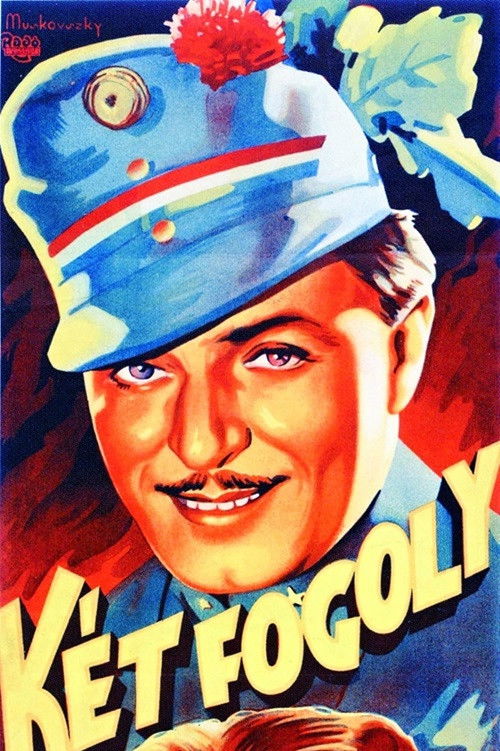
Two Prisoners 1938
Set against the harsh backdrop of the Eastern Front during World War II, *Two Prisoners (1938)* tells the haunting story of separation and endurance.
Director: Steve Sekely
Cast



Frequently Asked Questions
What is *Two Prisoners (1938)* about?
This Hungarian war drama follows a soldier taken prisoner by Russian forces and sent to a desolate Siberian camp, while his wife back home grapples with loneliness and fading hope as the years pass without contact.
Who directed *Two Prisoners*?
Steve Sekely directed this gripping wartime drama.
Who stars in *Two Prisoners*?
The film features standout performances by Gizi Bajor, Pál Jávor, Irén Ágay, and Gábor Rajnay in pivotal roles.
Is *Two Prisoners (1938)* worth watching?
While unrated on IMDb, this understated yet powerful drama offers a raw, emotional look at war's human cost. Fans of historical films and character-driven stories will find its themes of resilience and sacrifice compelling.
How long is *Two Prisoners*?
The runtime is 63 minutes.
About Two Prisoners (1938) — A Hungarian War Drama of Separation and Endurance
Set against the harsh backdrop of the Eastern Front during World War II, *Two Prisoners (1938)* tells the haunting story of separation and endurance. Directed by Steve Sekely, this Hungarian drama follows a soldier captured by Russian forces and sent to a remote Siberian prison camp, where the brutal winters and crushing isolation test his spirit. Meanwhile, his wife, left behind with nothing but memories, struggles to hold onto hope as the years stretch on without word or reunion. The film masterfully contrasts the soldier's physical confinement with his wife's emotional torment, weaving a poignant tale of love, sacrifice, and the indomitable will to survive.
With its stark portrayal of war's collateral damage, *Two Prisoners (1938)* immerses viewers in a world where time feels suspended, and every small act of defiance—whether a letter received or a glance exchanged—becomes a lifeline. The performances of Gizi Bajor and Pál Jávor bring raw vulnerability to the screen, anchoring a story that lingers long after the credits roll.