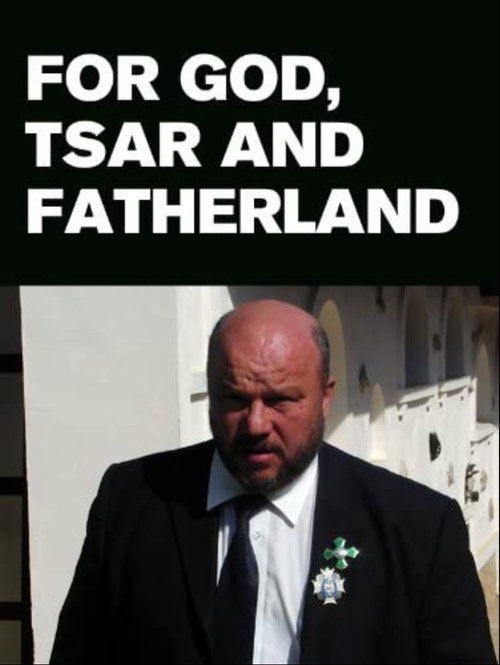
Durakovo: Village of Fools 2008
Nino Kirtadzé's *Durakovo: Village of Fools (2008)* drops viewers into a surreal microcosm outside Moscow, where Mikhail Morozov governs a secluded castle like a feudal lord, shaping a burgeoning far-right ideology among impressionable young recruits.
Director: Nino Kirtadzé
Frequently Asked Questions
What is *Durakovo: Village of Fools (2008)* about?
*Durakovo* peels back the curtain on a secretive nationalist enclave near Moscow, where leader Mikhail Morozov cultivates a cult-like following among young recruits. The documentary dissects how ideology, isolation, and charismatic leadership create a hotbed for radicalism, all while questioning the ethical boundaries of influence and devotion.
Who directed *Durakovo: Village of Fools*?
The film was directed by Nino Kirtadzé, a Georgian-French filmmaker known for her incisive documentaries that probe sociopolitical undercurrents.
Who stars in *Durakovo: Village of Fools*?
The documentary centers on Mikhail Morozov, the enigmatic leader of Durakovo, along with his young followers whose identities remain largely anonymous.
Is *Durakovo: Village of Fools (2008)* worth watching?
As a probing documentary on extremism, *Durakovo* offers a rare, unfiltered glimpse into the mechanics of radicalization, making it compelling for fans of investigative cinema. Its stark realism and thematic depth justify a watch, especially for those interested in political movements or social psychology.
How long is *Durakovo: Village of Fools*?
The documentary runs for 90 minutes.
🎥 Trailer
About Durakovo: Village of Fools (2008) — A Chilling Look at Far-Right Indoctrination in Modern Russia
Nino Kirtadzé's *Durakovo: Village of Fools (2008)* drops viewers into a surreal microcosm outside Moscow, where Mikhail Morozov governs a secluded castle like a feudal lord, shaping a burgeoning far-right ideology among impressionable young recruits. This 90-minute documentary blends eerie atmosphere with unsettling sociopolitical observations, capturing a hidden subculture where nationalist fervor festers under the guise of tradition and camaraderie. The film contrasts Morozov's charismatic authoritarianism with the blind devotion of his followers, painting a chilling portrait of ideological indoctrination in modern Russia.
Shot with stark realism, *Durakovo* immerses audiences in a world where propaganda and groupthink override critical thought, leaving viewers to question the fine line between idealism and extremism. Kirtadzé's lens exposes the vulnerabilities of those drawn to such movements, making this a haunting exploration of power, identity, and the seductive pull of radicalism.