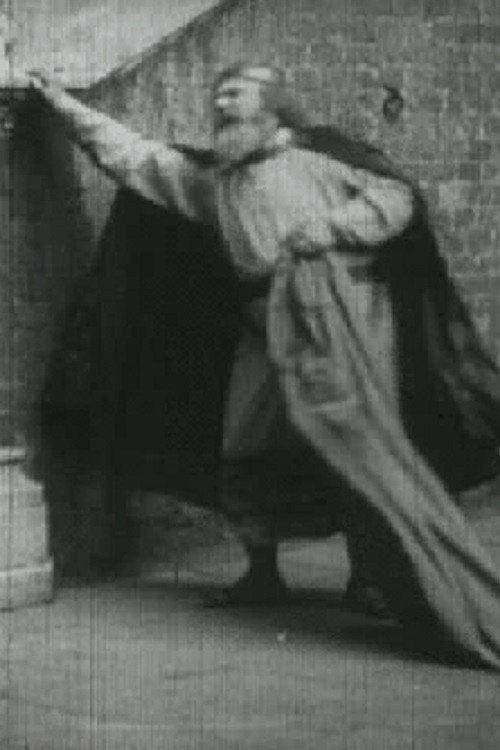
Tristano e Isolda 1911
Tristano e Isolda (1911) brings the timeless Celtic legend of Tristan and Iseult to the screen in one of early cinema's most ambitious attempts to capture the epic tale of star-crossed lovers.
Director: Ugo Falena
Cast
Frequently Asked Questions
What is Tristano e Isolda (1911) about?
The film tells the story of Tristan and Iseult, the famous Celtic legend of two lovers whose passion leads to tragedy and political upheaval. This early adaptation condenses the epic romance into a brief silent film format.
Who directed Tristano e Isolda?
Ugo Falena directed this 1911 adaptation of the Tristan and Iseult legend, bringing his theatrical sensibilities to early silent cinema.
Who stars in Tristano e Isolda?
The film features Francesca Bertini and Giovanni Pezzinga in the lead roles, two prominent actors of the early Italian film industry.
Is Tristano e Isolda (1911) worth watching?
At just 12 minutes long, this unrated silent drama offers historical value for film enthusiasts interested in early cinema adaptations of classical literature, though its brevity and age make it more of a curiosity than a complete viewing experience.
How long is Tristano e Isolda?
The film runs for 12 minutes, making it a very brief adaptation of the legendary story.
Tristano e Isolda (1911): Early Silent Cinema's Legendary Love Story
Tristano e Isolda (1911) brings the timeless Celtic legend of Tristan and Iseult to the screen in one of early cinema's most ambitious attempts to capture the epic tale of star-crossed lovers. Directed by pioneering filmmaker Ugo Falena, this dramatic short film condenses the legendary romance into a compact 12-minute experience that showcases the theatrical traditions of the era. The production features the distinguished Francesca Bertini alongside Giovanni Pezzinga, two prominent figures who help anchor the mythic narrative in human emotion.
This silent-era adaptation preserves the tragic essence of the medieval story while adapting it for the emerging art of motion pictures. The film's atmosphere reflects the operatic grandeur of the original legend, translated through the dramatic conventions of early 20th-century theater. Though brief in runtime, Tristano e Isolda (1911) offers a fascinating glimpse into how filmmakers of the time approached classical literature and mythological storytelling.
For enthusiasts of silent cinema and those curious about early film adaptations of legendary tales, this piece represents an important bridge between traditional storytelling and the new medium of movies. The dramatic genre serves the material well, emphasizing the emotional intensity of the beloved Celtic romance.