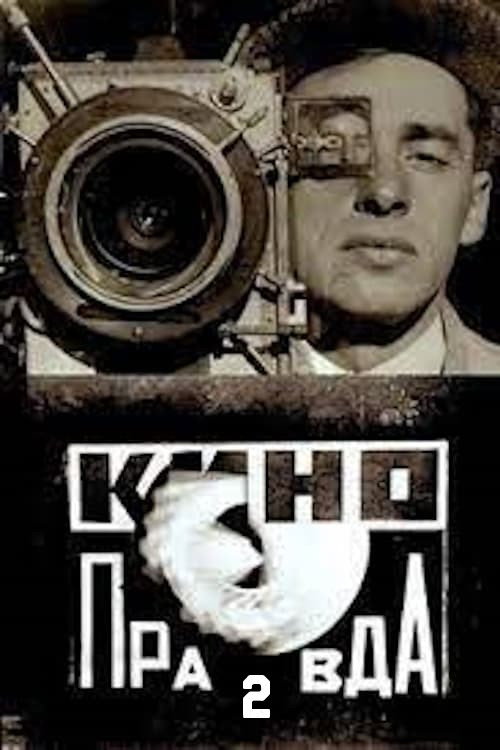
Kino-Pravda No. 2 1922
Dziga Vertov's *Kino-Pravda No. 2* (1922) captures the electrifying spirit of early Soviet cinema through a gripping documentary lens.
Director: Dziga Vertov
Frequently Asked Questions
What is Kino-Pravda No. 2 (1922) about?
This documentary newsreel chronicles two defining events of early Soviet Russia: the unveiling of a groundbreaking electric power station and the dramatic trial of Socialist Revolutionaries. Vertov's film blends technological marvels with political tension, offering viewers a front-row seat to history's unfolding.
Who directed Kino-Pravda No. 2?
Dziga Vertov, the legendary Soviet filmmaker and pioneer of documentary cinema, directed *Kino-Pravda No. 2*. Known for his avant-garde techniques and commitment to cinematic truth, Vertov's work remains a cornerstone of film history.
Who stars in Kino-Pravda No. 2?
Director information is not available for the cast of *Kino-Pravda No. 2*, as it is a documentary newsreel featuring real-life figures rather than actors.
Is Kino-Pravda No. 2 (1922) worth watching?
While *Kino-Pravda No. 2* is unrated on IMDb, its historical significance and Vertov's innovative approach make it a fascinating watch for film historians and fans of early cinema. Its short runtime and political themes offer a compelling glimpse into Soviet propaganda art.
How long is Kino-Pravda No. 2?
*Kino-Pravda No. 2* runs for 11 minutes, offering a concise yet impactful cinematic experience.
About Kino-Pravda No. 2 (1922) — The Soviet Union's Groundbreaking Newsreel Revolution
Dziga Vertov's *Kino-Pravda No. 2* (1922) captures the electrifying spirit of early Soviet cinema through a gripping documentary lens. This eleven-minute newsreel masterfully contrasts two pivotal moments: the inauguration of a revolutionary electric power station and the high-stakes trial of Socialist Revolutionaries. Vertov's innovative editing and dynamic visual storytelling transport viewers to a period of ideological upheaval and technological progress, where the promise of electrification symbolized a brighter, collective future. The film's raw energy and historical significance make it a vital artifact of Soviet propaganda art, blending political urgency with cinematic experimentation.
Set against the backdrop of post-revolutionary Russia, *Kino-Pravda No. 2* immerses audiences in a world where machinery hums with ideological fervor and courtrooms echo with ideological clashes. Vertov's documentary style, devoid of staged performances, feels startlingly modern, offering a time capsule of 1920s Soviet society. The stark realism of the trial scenes and the gleaming modernity of the power station reflect the era's dual quests—for justice and for progress. For film historians and enthusiasts alike, this short but potent reel remains a testament to Vertov's visionary approach to cinema as a tool for truth and transformation.