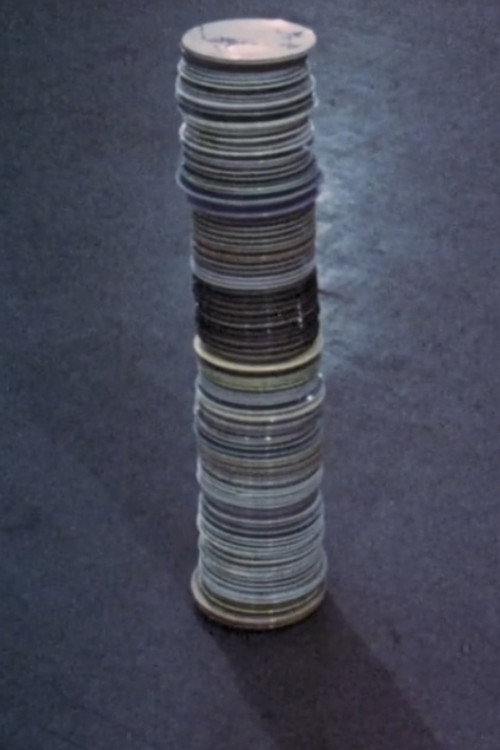
Some Plates 1972
Jack Goldstein's *Some Plates (1972)* is a fleeting yet mesmerizing 3-minute experimental film shot on vibrant 16mm color stock.
Director: Jack Goldstein
Frequently Asked Questions
What is Some Plates (1972) about?
This experimental film explores the visual poetry hidden in everyday objects—specifically, a series of plates arranged and filmed in motion. Through light, shadow, and subtle choreography, Goldstein transforms the mundane into something cinematic and evocative.
Who directed Some Plates?
Director information is not available.
Who stars in Some Plates?
The cast details for *Some Plates* are not listed.
Is Some Plates (1972) worth watching?
While unrated and obscure, *Some Plates* offers a unique glimpse into 1970s experimental filmmaking. Its brevity and visual inventiveness make it a curiosity worth exploring for fans of avant-garde cinema, even if it won't appeal to all audiences.
How long is Some Plates?
Some Plates runs for 3 minutes.
About Some Plates (1972) — The Avant-Garde Short Film That Turns Dishes Into Art
Jack Goldstein's *Some Plates (1972)* is a fleeting yet mesmerizing 3-minute experimental film shot on vibrant 16mm color stock. With no dialogue to anchor its visual rhythm, the short piece unfolds as a playful meditation on movement, light, and the mundane beauty of everyday objects. Framed through Goldstein's avant-garde lens, the title itself becomes a poetic invitation—inviting viewers to reconsider the ordinary as something quietly extraordinary. The film's minimalist approach strips away narrative clutter, leaving only the hypnotic dance of shapes, reflections, and textures. Its brevity belies a deceptive depth, suggesting themes of perception and transience in just a few arresting frames.
Though officially unrated, *Some Plates (1972)* stands as a small but significant artifact of 1970s experimental cinema. Its experimental nature makes classification tricky—part performance art, part visual tone poem—yet undeniably cinematic in its precision and intent. The film's playful ambiguity lingers like an afterimage, challenging audiences to find meaning in its ephemeral compositions.