A Close Shave 1910
A Close Shave (1910), directed by the pioneering Gilbert M. Anderson, delivers a lightning-fast burst of early silent-era comedy that hinges on mistaken identity and a lucrative silver mine scheme. The film's playful atmosphere crackles as Mr.
Director: Gilbert M. Anderson
Cast

Frequently Asked Questions
What is A Close Shave (1910) about?
This short silent comedy follows Mr. Marc, who's enjoying breakfast with his wife when a polished stranger arrives claiming to represent a silver mine fortune. The gentleman spins a tale of wealth and opportunity, but his real motives quickly become clear. The film hinges on a classic con-artist setup, packed into a brisk eight-minute runtime.
Who directed A Close Shave?
A Close Shave (1910) was directed by Gilbert M. Anderson, a trailblazer in early American cinema who helped shape the silent film era.
Who stars in A Close Shave?
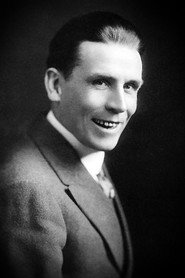
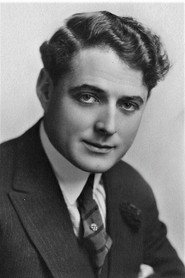
The film features Augustus Carney, J. Warren Kerrigan, and John B. O'Brien in key roles.
Is A Close Shave (1910) worth watching?
While A Close Shave (1910) isn't rated on IMDb, its historical significance as a silent-era comedy and its tight, humorous storytelling make it a charming watch for fans of early film. Its brevity and playful tone offer a fun glimpse into cinema's playful past.
How long is A Close Shave?
A Close Shave (1910) runs for approximately 8 minutes.
About A Close Shave (1910) — The Silly Silent Comedy That Fooled Us All
A Close Shave (1910), directed by the pioneering Gilbert M. Anderson, delivers a lightning-fast burst of early silent-era comedy that hinges on mistaken identity and a lucrative silver mine scheme. The film's playful atmosphere crackles as Mr. Marc, enjoying breakfast with his wife, is interrupted by a smooth-talking stranger claiming to represent the Silver Sucker mine. With a deft hand and a wink to the audience, Anderson crafts a compact eight-minute farce that blends charm, wit, and the absurdity of early 20th-century swindling tactics. The humor thrives on the contrast between the gentleman's polished exterior and the con artist's true intentions, offering a snapshot of the era's fascination with tricksters and quick fortunes.
Set against the backdrop of a bustling household, the story unfolds with snappy pacing and visual gags that define silent comedy at its most inventive. Anderson's direction ensures the narrative stays tight, relying on clever staging and expressive performances to carry the joke without dialogue. A Close Shave (1910) isn't just a relic of cinema's infancy—it's a testament to the enduring appeal of mischief and misdirection in filmmaking.