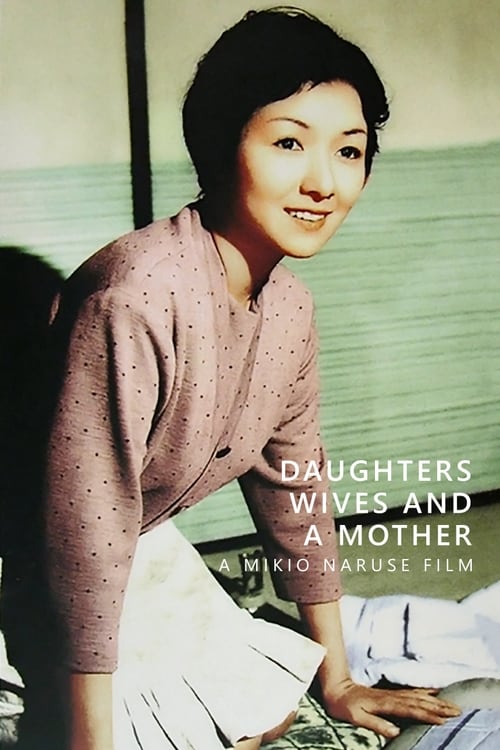
Daughters, Wives and a Mother 1960
In Mikio Naruse's poignant 1960 drama *Daughters, Wives and a Mother*, the loss of a husband strips Sanae of both companionship and societal standing, leaving her with little more than a single million-yen insurance payout.
Director: Mikio Naruse
Cast

Setsuko Hara
Sanae Soga
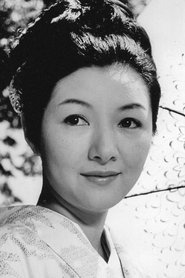
Hideko Takamine
Kazuko Sakanishi, Yuichiro's wife

Tatsuya Nakadai
Kuroki Shingo
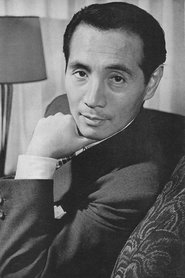
Masayuki Mori
Yuichiro Sakanishi

Akira Takarada
Reiji Sakanishi
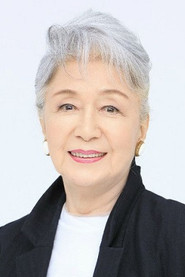
Mitsuko Kusabue
Kaoru Tani

Reiko Dan
Haruko Sakanishi
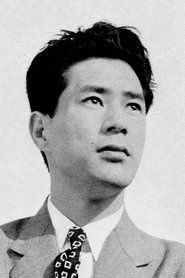
Hiroshi Koizumi
Hidetaka Tani

Keiko Awaji
Mie Sakanishi
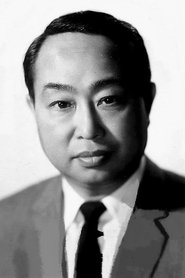
Daisuke Katō
Shusuke Tetsumoto
Frequently Asked Questions
What is *Daughters, Wives and a Mother* (1960) about?
The film follows Sanae, a grieving widow left with a modest insurance payout after her husband's death. With no children to bind her to his family, she returns to her own kin, only to find little solace in their indifferent embrace. It's a subdued yet profound look at the quiet erasure of women's agency in a society built on rigid norms.
Who directed *Daughters, Wives and a Mother*?
The film was directed by Mikio Naruse, a master of Japanese cinema known for his incisive, emotionally layered dramas about women navigating hardship.
Who stars in *Daughters, Wives and a Mother*?
The film features Setsuko Hara and Hideko Takamine in pivotal roles, alongside Tatsuya Nakadai, Masayuki Mori, and Akira Takarada in the cast.
Is *Daughters, Wives and a Mother* (1960) worth watching?
Naruse's quiet drama offers a rare glimpse into the struggles of post-war Japanese women, delivered with his signature restraint and emotional depth. While not an action-packed spectacle, its themes of resilience and societal erasure make it a compelling watch for fans of character-driven cinema.
How long is *Daughters, Wives and a Mother*?
The film runs for 123 minutes.
🎥 Trailer
About Daughters, Wives and a Mother (1960) — Mikio Naruse's Quiet Masterpiece of Loss and Resilience
In Mikio Naruse's poignant 1960 drama *Daughters, Wives and a Mother*, the loss of a husband strips Sanae of both companionship and societal standing, leaving her with little more than a single million-yen insurance payout. With no children to anchor her to her late husband's family, Sanae faces the quiet humiliation of returning to her own family—a move met with indifference rather than warmth. Naruse crafts a deeply atmospheric exploration of post-war Japanese womanhood, where dignity and survival intertwine in the shadows of grief and societal expectations.
As Sanae navigates this fragile new reality, her journey becomes a subtle yet powerful meditation on resilience and the overlooked sacrifices of widows in a patriarchal society. The film's restrained yet evocative tone, enhanced by Naruse's masterful direction, lingers long after the credits roll. Setsuko Hara and Hideko Takamine deliver performances that breathe life into the emotional undercurrents, while Tatsuya Nakadai's presence adds depth to this quietly devastating portrait of womanhood in transition.