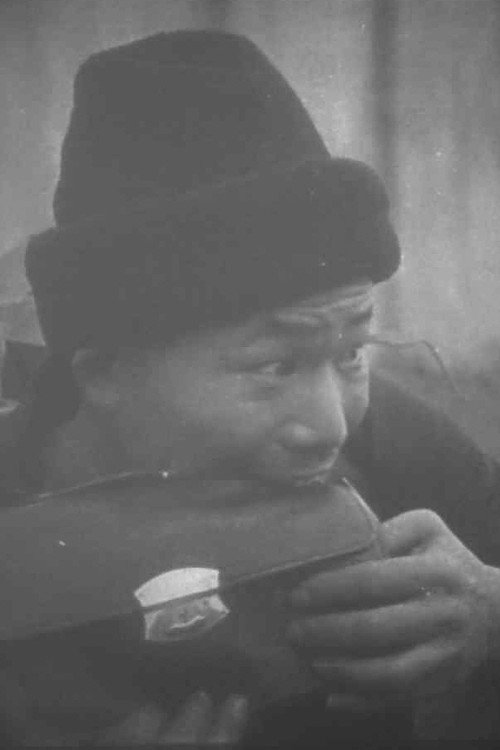
There is No Poverty at the End of Labor 1920
In the early 20th century, Korea's cinematic landscape was still taking shape. Among the earliest surviving films, 'There is No Poverty at the End of Labor (1920)' stands as a testament to the country's growing interest in enlightenment.
Director: Gyu-seol Lee
Cast
Frequently Asked Questions
What is There is No Poverty at the End of Labor (1920) about?
Directed by Gyu-seol Lee, this short comedy film explores the themes of enlightenment and social change in 1920s Korea, offering a unique glimpse into the nation's transformation.
Who directed There is No Poverty at the End of Labor?
Gyu-seol Lee directed this historical comedy, bringing the story of enlightenment and social change to life on the big screen.
Who stars in There is No Poverty at the End of Labor?
The film features Soon-bong Park and Won-bo Kim in pivotal roles, adding depth and nuance to the narrative.
Is There is No Poverty at the End of Labor (1920) worth watching?
While the IMDb rating is not available, this film's historical significance and cultural importance make it a worthwhile watch for those interested in the evolution of Korean cinema.
How long is There is No Poverty at the End of Labor?
The film has a runtime of 19 minutes, making it a short but engaging watch for viewers interested in Korean cinema.
About There is No Poverty at the End of Labor (1920) — A Historical Comedy of Enlightenment
In the early 20th century, Korea's cinematic landscape was still taking shape. Among the earliest surviving films, 'There is No Poverty at the End of Labor (1920)' stands as a testament to the country's growing interest in enlightenment. Directed by Gyu-seol Lee, this short comedy film features Soon-bong Park and Won-bo Kim in pivotal roles. As a window into Korea's past, this 19-minute film offers a glimpse into the nation's transformation during the 1920s. The movie's themes of social change and growth are woven into the fabric of its narrative, creating a captivating experience for viewers. With its historical significance and engaging storyline, 'There is No Poverty at the End of Labor (1920)' is a must-watch for film enthusiasts and history buffs alike. The film's exploration of enlightenment and its impact on Korean society adds depth to the narrative, making it a valuable addition to any film collection. As the oldest remaining film in Korea, 'There is No Poverty at the End of Labor (1920)' is a treasure trove of cinematic history, waiting to be discovered by audiences worldwide.
While the IMDb rating for 'There is No Poverty at the End of Labor (1920)' is not available, its historical significance and cultural importance make it a worthwhile watch for those interested in the evolution of Korean cinema. With its short runtime and engaging storyline, this film is perfect for viewers looking to explore the country's rich cinematic heritage. Whether you're a film enthusiast or simply interested in learning more about Korea's past, 'There is No Poverty at the End of Labor (1920)' is a fascinating watch that will leave you with a deeper appreciation for the nation's cinematic journey.
Available on multiple devices, 'There is No Poverty at the End of Labor (1920)' can be streamed or downloaded for a unique viewing experience. As you watch this early Korean film, you'll be transported to a bygone era, where the country's cinematic landscape was still in its formative stages. With its blend of comedy and historical significance, 'There is No Poverty at the End of Labor (1920)' is a film that will captivate and educate viewers, leaving a lasting impression on their understanding of Korean cinema.