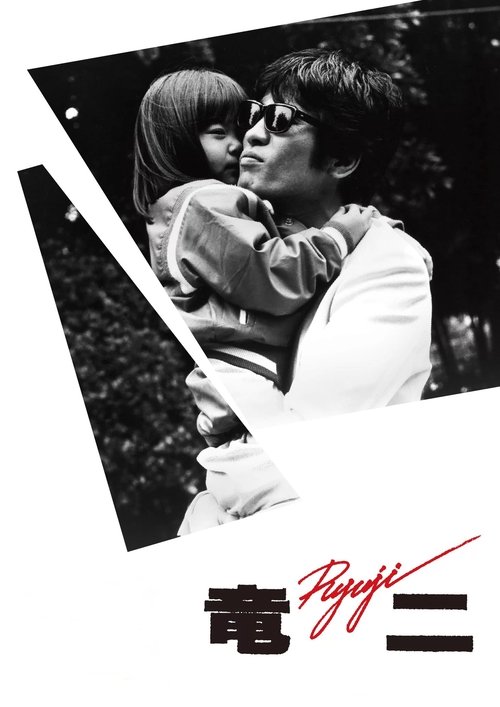
Ryuji 1983
In Tōru Kawashima's 1983 crime drama *Ryuji (1983)*, a yakuza foot soldier named Ryuji faces the daunting challenge of leaving his life of crime behind to provide for his wife and young daughter.
Director: Tōru Kawashima
Cast







Frequently Asked Questions
What is Ryuji (1983) about?
The film follows Ryuji, a yakuza member trying to quit his life of crime to support his wife and daughter. His struggle to leave behind a world of easy money and embrace stability tests his resolve and forces him to confront his past.
Who directed Ryuji?
Tōru Kawashima directed *Ryuji (1983)*, bringing a grounded and atmospheric approach to this crime drama.
Who stars in Ryuji?
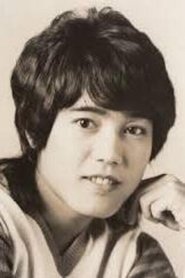
The film stars Shōji Kaneko in the title role, alongside Eiko Nagashima, Koji Kita, and Kinzō Sakura.
Is Ryuji (1983) worth watching?
While unrated on IMDb, *Ryuji (1983)* offers a compelling blend of crime and drama with strong performances and thematic depth. Fans of gritty yakuza stories will appreciate its focus on redemption and family struggles.
How long is Ryuji?
The film has a runtime of 92 minutes.
🎥 Trailer
About Ryuji (1983) — A Gritty Yakuza Drama of Redemption and Family
In Tōru Kawashima's 1983 crime drama *Ryuji (1983)*, a yakuza foot soldier named Ryuji faces the daunting challenge of leaving his life of crime behind to provide for his wife and young daughter. Haunted by the promise of easy money that once sustained him, he struggles to adapt to a world of stability and hard-won respectability. The film paints a stark portrait of redemption, sacrifice, and the quiet resilience required to break free from a cycle of violence.
Woven with raw emotion and unflinching realism, *Ryuji (1983)* explores the complexities of family, loyalty, and the cost of change. Shōji Kaneko stars as the titular protagonist, delivering a compelling performance that captures both the swagger of his criminal past and the vulnerability of a man seeking a new path. This drama lingers in the mind long after the credits roll, questioning whether true transformation is ever possible without profound loss.