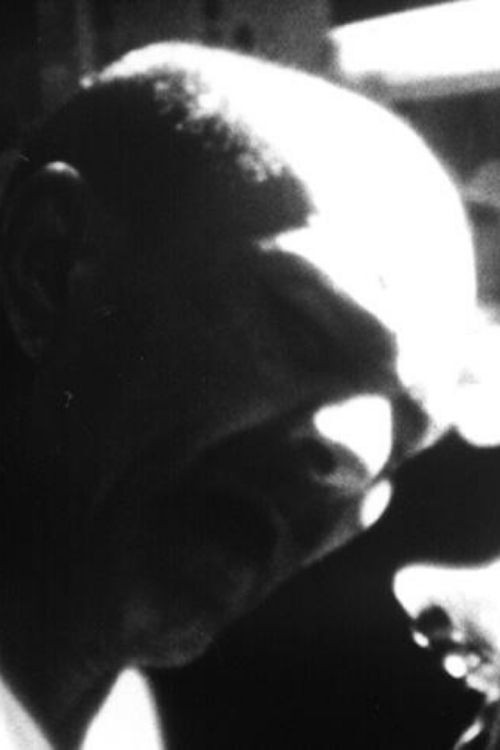
終りなき夜 1981
In 終りなき夜 (1981), Toshiro Nagasaki crafts a hauntingly minimalist portrait of an aging projectionist whose solitary life is shaped by the cold remnants of a past career.
Director: Toshiro Nagasaki
Cast
Frequently Asked Questions
What is 終りなき夜 (1981) about?
終りなき夜 follows an elderly former projectionist whose solitary days are filled with fragmented memories and the ghostly remnants of a once-vibrant career. Using nothing but raw, unspoken images, he stitches together a deeply personal visual narrative that confronts loneliness and the passage of time.
Who directed 終りなき夜?
Toshiro Nagasaki directed 終りなき夜, guiding the film with a minimalist approach that amplifies its emotional weight through silence and stark imagery.
Who stars in 終りなき夜?
The film stars Narita Yasuemon in a powerful central performance that carries the entire narrative through expressive, wordless visuals.
Is 終りなき夜 (1981) worth watching?
Though short and dialogue-free, 終りなき夜 offers a uniquely compelling experience for fans of experimental cinema or quiet, introspective storytelling. Its raw honesty and striking visuals make it worth seeking out for those who appreciate films that linger long after the credits roll.
How long is 終りなき夜?
終りなき夜 has a runtime of 17 minutes.
About 終りなき夜 (1981) — A 17-minute masterpiece of solitude and silent resilience
In 終りなき夜 (1981), Toshiro Nagasaki crafts a hauntingly minimalist portrait of an aging projectionist whose solitary life is shaped by the cold remnants of a past career. Working alone with just a cassette player for company, he weaves fragments of memory into a stark visual collage—nude photographs, fleeting images of a bygone era, and the quiet dignity of his toothless mouth speaking volumes through silence. Nagasaki strips away dialogue entirely, letting the raw textures of time and loss take center stage in this 17-minute meditation on isolation and resilience.
The film's raw sincerity lies in its unflinching gaze at a man clinging to relevance long after the spotlight faded. Without a word, the camera lingers on his weathered face, framing a life that refuses to disappear entirely. Shot in a detached yet deeply human style, 終りなき夜 (1981) lingers like an echo in an empty theater—unforgettable for its honesty and its refusal to look away.