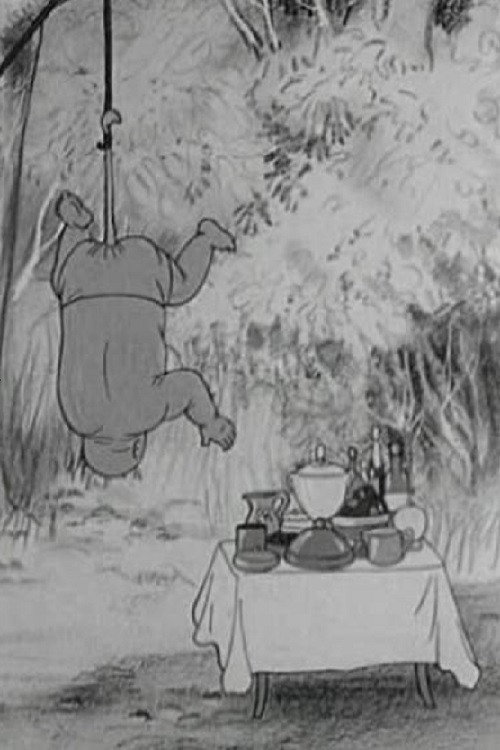
Bam-Bam 1934
Bam-Bam (1934) stands as Sweden's pioneering animated short film with synchronized sound, marking a bold stride in cinematic innovation.
Director: Robert Högfeldt
Frequently Asked Questions
What is Bam-Bam (1934) about?
Bam-Bam (1934) is Sweden's first animated short film to feature synchronized sound, blending playful animation with early audio technology. The film's title suggests a lively, spontaneous energy, fitting for its experimental nature. While plot details are minimal, its historical significance lies in its technical innovation.
Who directed Bam-Bam?
Bam-Bam was directed by Robert Högfeldt, a filmmaker known for his contributions to early Swedish cinema.
Who stars in Bam-Bam?
Cast details for Bam-Bam are not listed in available sources.
Is Bam-Bam (1934) worth watching?
As a historical artifact, Bam-Bam (1934) is worth watching for its groundbreaking role in animation history. While it may lack a complex plot, its seven-minute runtime and pioneering sound design make it a fascinating watch for film buffs and animation enthusiasts.
How long is Bam-Bam?
Bam-Bam runs for 7 minutes.
About Bam-Bam (1934) — Sweden's Pioneering Animated Short with Sound
Bam-Bam (1934) stands as Sweden's pioneering animated short film with synchronized sound, marking a bold stride in cinematic innovation. Directed by Robert Högfeldt, this seven-minute gem blends playful animation with early audio techniques, creating a quirky, experimental atmosphere that captivates even by today's standards. Though the cast remains unnamed in records, its significance lies in being the first of its kind—a testament to the creative spirit of Swedish filmmaking during the 1930s. The film's title alone evokes a sense of fun and spontaneity, hinting at the lively, cartoonish energy that defined its era. While the plot details are scarce, its historical importance in bridging silent animation with sound technology makes it a fascinating relic for film historians and animation enthusiasts alike.
As a piece of early cinema, Bam-Bam (1934) offers a glimpse into the technological and artistic challenges of its time. The film's brevity and experimental nature make it a quick but rewarding watch for those curious about the evolution of animation. Its charm lies not in a complex narrative but in its role as a cultural milestone, paving the way for future Swedish animated works. Whether you're a fan of vintage films or simply intrigued by the origins of sound in cinema, this short is a delightful discovery that celebrates the audacity of early filmmakers.