Shear 1987
Bill Seaman's *Shear (1987)* crafts a hauntingly minimalist short film that thrives on absence and unease.
Director: Bill Seaman
Frequently Asked Questions
What is Shear (1987) about?
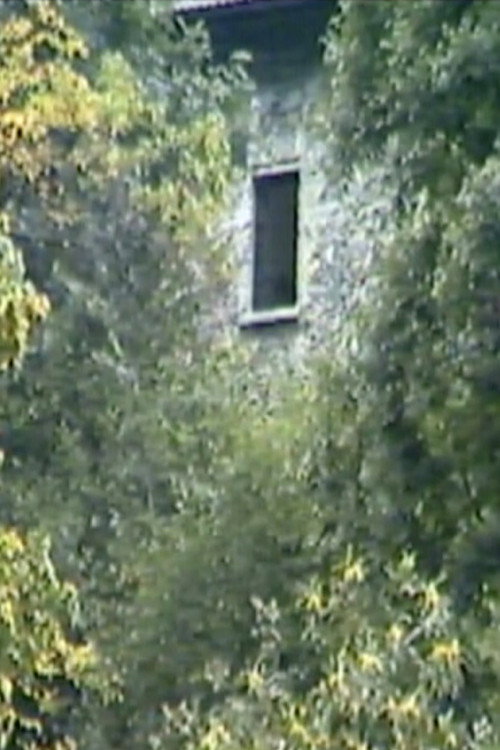
*Shear* immerses viewers in a world stripped of people, where buildings teeter on cliffs, empty rooms echo with unseen stories, and everyday objects like a tilted ladder or a pair of hands convey unease. It's a meditation on absence, balance, and the unsettling mystery hidden in plain sight.
Who directed Shear?
*Shear* was directed by Bill Seaman, an experimental filmmaker known for his visually evocative and conceptually rich short works.
Who stars in Shear?
Cast details for *Shear* are not publicly listed, as the film focuses on objects and environments rather than performers.
Is Shear (1987) worth watching?
While *Shear* is an unconventional short film, its atmospheric storytelling and striking visuals make it a compelling watch for fans of avant-garde cinema. Its brevity belies its depth, offering a unique experience that lingers long after the credits roll.
How long is Shear?
The runtime for *Shear* is approximately 4 minutes.
About Shear (1987) — A Haunting 4-Minute Exploration of Isolation and Juxtaposition
Bill Seaman's *Shear (1987)* crafts a hauntingly minimalist short film that thrives on absence and unease. Through a series of stark, associative images—empty stone buildings perched precariously on cliffside slopes, empty rooms bathed in eerie silence, a ladder leaning awkwardly against a wall—Seaman transforms the mundane into something deeply unsettling. The film's visual poetry hinges on the interplay of static shots, where a car's reflection in motion and a pair of hands folding and unfolding create a rhythm of tension. The titular scissors, resting silently on a table, serve as a metaphor for both creation and destruction, tying together themes of balance, mystery, and the unseen forces that shape our everyday lives. Shot entirely without people, *Shear* lingers in the spaces between objects, inviting viewers to confront the quiet disquiet of existence.
This experimental gem from 1987 defies conventional narrative, opting instead for a meditative exploration of isolation and juxtaposition. The director's keen eye for composition and his use of symbolic imagery—hands, scissors, reflections—evoke a sense of latent instability, as if the world itself is on the brink of collapse. The film's brevity (just four minutes) amplifies its impact, leaving audiences with lingering questions about the stories untold and the people who are nowhere to be seen. For fans of avant-garde cinema, *Shear (1987)* offers a mesmerizing dive into the unsettling beauty of the inanimate.