Kare to Tokyo 1928
Step into the jazz-age pulse of 1928 Tokyo with *Kare to Tokyo*, a silent-era gem from director Kiyohiko Ushihara.
Director: Kiyohiko Ushihara
Cast



Frequently Asked Questions
What is Kare to Tokyo (1928) about?
*Kare to Tokyo* weaves a bittersweet narrative of love and disillusionment set against the backdrop of 1920s Tokyo, where a young man's dreams of connection and success are tested by the city's unforgiving rhythms. The story explores themes of fleeting romance and the cost of ambition, delivered with the quiet intensity of silent cinema.
Who directed Kare to Tokyo?
The film was directed by Kiyohiko Ushihara, a prominent figure in Japan's silent-era cinema known for his visually expressive storytelling.
Who stars in Kare to Tokyo?
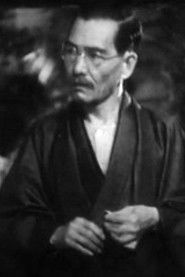
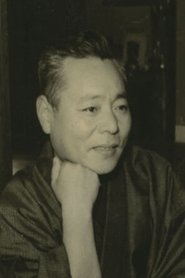
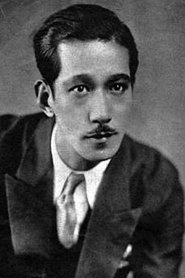
The film features Denmei Suzuki in the lead role, alongside Emiko Yagumo, Takeshi Sakamoto, and Ryōtarō Mizushima in pivotal supporting roles.
Is Kare to Tokyo (1928) worth watching?
While silent films demand patience, *Kare to Tokyo* rewards viewers with its striking visuals and emotional depth, offering a rare glimpse into 1920s Japanese urban life. Its themes of love and loss remain timeless, though its historical context may appeal more to fans of early cinema.
How long is Kare to Tokyo?
Runtime details are not listed.
About Kare to Tokyo (1928) — Silent-Era Drama of Love and Urban Longing in 1920s Japan
Step into the jazz-age pulse of 1928 Tokyo with *Kare to Tokyo*, a silent-era gem from director Kiyohiko Ushihara. This atmospheric journey follows Denmei Suzuki in a role that crackles with the restless energy of a city on the cusp of modernity, where love, ambition, and cultural upheaval collide against neon-lit streets and shadowy alleyways. Emiko Yagumo and Takeshi Sakamoto lend gravitas to a tale that blends romance with the grit of urban life, capturing fleeting moments of connection amid the chaos. The film's black-and-white palette evokes a melancholic yet vibrant aesthetic, where every frame feels like a postcard from a bygone era of artistic rebellion and fleeting dreams.
While the plot unfolds with the subtlety of a silent film's visual language, *Kare to Tokyo* thrives on its emotional beats—misplaced trust, fleeting passion, and the quiet devastation of lost opportunities. Ushihara's direction leans into expressionist shadows and dynamic framing, creating a visual symphony that mirrors the era's cinematic innovations. Fans of early Japanese cinema or silent-era dramas will find a haunting, understated masterpiece, where the absence of sound only amplifies the raw humanity at its core.