Fukushima Art Project 2015
In 2015, visionary artist Ai Weiwei took part in an extraordinary cultural initiative deep within the evacuated zone surrounding Fukushima Daiichi.
Director: Ai Weiwei
Frequently Asked Questions
What is Fukushima Art Project (2015) about?
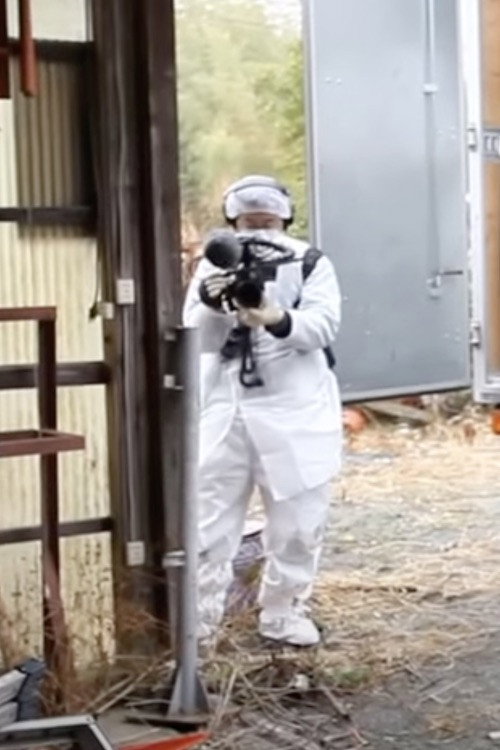
This short documentary follows Ai Weiwei's participation in the *Don't Follow the Wind* project, sending his assistant into Japan's Fukushima exclusion zone to collect material for two artworks. The film documents the eerie remnants of a community displaced by nuclear disaster, weaving together personal stories with the raw textures of a landscape frozen in time.
Who directed Fukushima Art Project?
Ai Weiwei, the acclaimed Chinese contemporary artist and activist, directed *Fukushima Art Project* as part of his ongoing exploration of societal trauma through art.
Who stars in Fukushima Art Project?
The film features Ai Weiwei and his assistant Ma Yan, along with members of the Japanese art collective Chim↑Pom, who organized the original project.
Is Fukushima Art Project (2015) worth watching?
While unrated on IMDb, this documentary offers a rare and profound perspective on disaster and resilience. Its 31-minute runtime makes it accessible, and its themes resonate deeply for fans of socially conscious art and historical reflection.
How long is Fukushima Art Project?
Fukushima Art Project runs for 31 minutes.
About Fukushima Art Project (2015) — Ai Weiwei's haunting exploration of art in a disaster zone
In 2015, visionary artist Ai Weiwei took part in an extraordinary cultural initiative deep within the evacuated zone surrounding Fukushima Daiichi. Known as the *Fukushima Art Project*, this 31-minute documentary captures the haunting intersection of art and aftermath in a landscape reshaped by disaster. Sent by Ai to explore the exclusion zone on his behalf, his assistant Ma Yan navigated the eerie silence of abandoned homes and overgrown streets, gathering raw materials for two powerful artworks: *A Ray of Hope* and *Family Album*. The film transforms official records into intimate human stories, blending visual poetry with the weight of collective memory.
The atmosphere is quiet yet charged, mirroring the tension between recovery and remembrance. Through Ai's lens, the documentary frames the nuclear exclusion zone not as a void, but as a canvas where absence speaks louder than presence. It's a contemplative journey into trauma, resilience, and the role of art as both witness and healer in the wake of catastrophe.