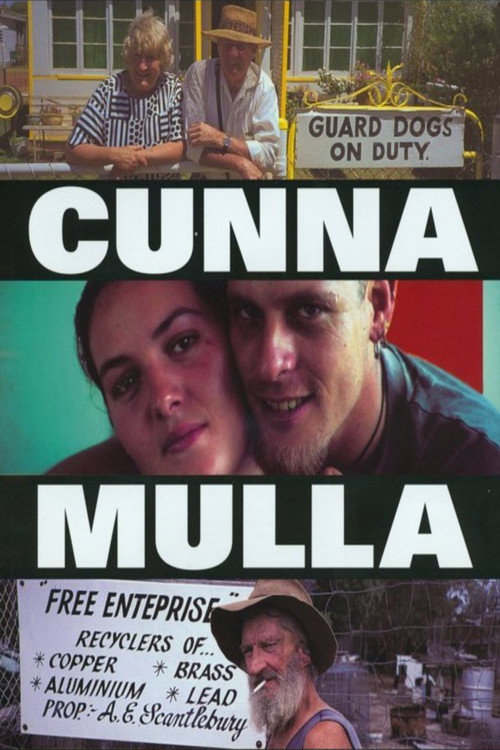
Cunnamulla 2000
Dennis O'Rourke's *Cunnamulla* (2000) dives deep into the rhythms of life in a remote Australian outback town, where the heat of summer mirrors the simmering tensions beneath the surface.
Director: Dennis O'Rourke
Frequently Asked Questions
What is Cunnamulla (2000) about?
*Cunnamulla* (2000) explores the hidden tensions and daily lives in a remote Australian town where two cultures—Indigenous and white—navigate coexistence. The film captures the struggles of creativity against indifference and the push-and-pull between tradition and modernity during a sweltering holiday season.
Who directed Cunnamulla?
Dennis O'Rourke directed *Cunnamulla* (2000), bringing his signature observational style to the documentary genre.
Who stars in Cunnamulla?
Director Dennis O'Rourke leads this documentary, focusing on the real-life residents of Cunnamulla rather than traditional actors.
Is Cunnamulla (2000) worth watching?
As a documentary, *Cunnamulla* (2000) offers a revealing look at outback life, though its unrated status may hint at niche appeal. Fans of raw, socially conscious films will appreciate its unflinching portrayal of cultural divides in rural Australia.
How long is Cunnamulla?
*Cunnamulla* (2000) runs for 82 minutes.
About Cunnamulla (2000) — A Raw Portrait of Outback Life and Cultural Clash
Dennis O'Rourke's *Cunnamulla* (2000) dives deep into the rhythms of life in a remote Australian outback town, where the heat of summer mirrors the simmering tensions beneath the surface. At the edge of the railway line, 800 kilometers from Brisbane, this documentary captures the friction between tradition and modernity as Aboriginal and white communities coexist in uneasy proximity.
The film unfolds against the backdrop of a scorching Christmas, where creativity clashes with apathy and eccentricity is overshadowed by conformity. O'Rourke's lens peels back layers of small-town life, revealing raw, unfiltered stories of resilience and resistance in a place where identity is as contested as the land itself. It's a portrait of a community on the edge—both geographically and culturally.