Kwiat paproci 2009
Kwiat paproci (2009) is a lost-and-found Polish drama that unearths a forgotten gem from 1972, blending crime, comedy, and nostalgia in equal measure.
Director: Jacek Butrymowicz
Cast




Frequently Asked Questions
What is Kwiat paproci (2009) about?
This lively Polish drama follows a Warsaw crook who ends up translating at his high school reunion, only to discover a buried treasure linked to the attendees. What starts as a simple job quickly turns into a delightful escapade filled with secrets and surprises.
Who directed Kwiat paproci?
Kwiat paproci was directed by Jacek Butrymowicz, a filmmaker known for his work in Polish cinema during the 1960s and 1970s.
Who stars in Kwiat paproci?
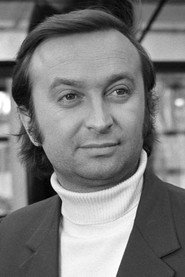
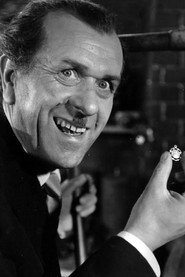
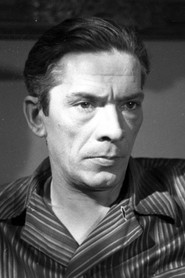
The film features a talented cast including Bohdan Łazuka, Czesław Roszkowski, Wacław Kowalski, Leon Niemczyk, and Mieczysław Stoor, with Jolanta Bohdal rounding out the ensemble.
Is Kwiat paproci (2009) worth watching?
As a recovered piece of Polish cinematic history, Kwiat paproci offers a unique blend of humor, drama, and nostalgia. While its unrated status means it hasn't garnered wide acclaim, its quirky premise and sharp performances make it a fascinating watch for fans of vintage European films.
How long is Kwiat paproci?
Kwiat paproci has a runtime of 72 minutes.
Kwiat paproci (2009): The Hidden Treasure Comedy You Need to See
Kwiat paproci (2009) is a lost-and-found Polish drama that unearths a forgotten gem from 1972, blending crime, comedy, and nostalgia in equal measure. Directed by Jacek Butrymowicz, the film follows a Warsaw crook who stumbles into a high school reunion in a small town after a twist of fate. What begins as a simple translation job spirals into an adventure when he uncovers a buried secret tied to the ceremony's participants. With its sharp satire of post-war Poland and the absurdity of fate, the movie captures the tension between past and present, greed and redemption.
Underneath the surface-level chaos, Kwiat paproci (2009) explores themes of chance, hidden legacies, and the unpredictable paths life takes. The 72-minute runtime keeps the momentum brisk, while the ensemble cast—led by Bohdan Łazuka and Czesław Roszkowski—delivers performances steeped in the humor and pathos of its era. Though shelved by censors for decades, its resurrection in 2009 feels like a victory for cinephiles, offering a rare glimpse into Poland's cinematic past.