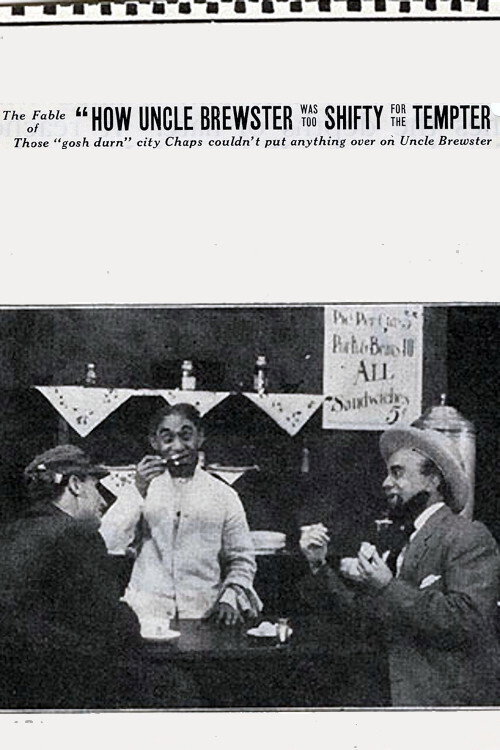
The Fable of 'How Uncle Brewster Was Too Shifty For the Tempter' 1914
Step back nearly a century to 1914 for a silent-era comedy short that still sparkles with sharp wit and homespun wisdom.
Cast
Frequently Asked Questions
What is The Fable of 'How Uncle Brewster Was Too Shifty For the Tempter' (1914) about?
This 1914 silent comedy follows Uncle Brewster as he travels to the city to pay off his mortgage—only to confront everyday temptations that threaten to drain his wallet. Through quick thinking and iron willpower, he turns each potential expense into a tiny victory for his savings.
Who directed The Fable of 'How Uncle Brewster Was Too Shifty For the Tempter'?
Director information is not available for this early silent short.
Who stars in The Fable of 'How Uncle Brewster Was Too Shifty For the Tempter'?
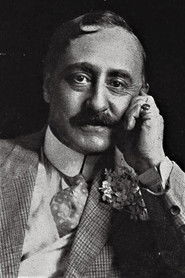
The film features Frank Owens and Frank Dayton as its leading comic players, supported by an ensemble of early-20th-century character actors.
Is The Fable of 'How Uncle Brewster Was Too Shifty For the Tempter' (1914) worth watching?
Though unrated and long overlooked, its brisk pace, playful moral, and glimpse into 1914 urban life make it a charming artifact for silent-film fans and historians of early American comedy.
How long is The Fable of 'How Uncle Brewster Was Too Shifty For the Tempter'?
Runtime details are not listed for this 1914 short.
About The Fable of 'How Uncle Brewster Was Too Shifty For the Tempter' (1914) — Silent-era comedy about thrift versus temptation
Step back nearly a century to 1914 for a silent-era comedy short that still sparkles with sharp wit and homespun wisdom. In *The Fable of "How Uncle Brewster Was Too Shifty for the Tempter"*, a thrifty country uncle heads to the big city to settle his mortgage, only to face every temptation that might loosen his purse strings. Alongside the clatter of streetcars and the hum of late-Gilded-Age commerce, Brewster must resist cigars, fruit exhibits, and cut-rate lunches—each small victory siphoning off his savings. Directed by an unknown hand (typical of many early one-reelers), the film leans on its two leads to spin a light-hearted fable about self-restraint and the hidden costs of urban indulgence. With its breezy pacing and gentle moralizing, it's a window into the moral comedies of the era—where the biggest laugh lines come from watching virtue outwit its own desires.
Aunt Mahaley's stern advice frames the adventure: every saved boiled egg and pocketed orange is a scalp taken from the Tempter himself. The film's atmosphere crackles with the optimism of a young century still confident it could outsmart its temptations through plain common sense.